
Free written scope consultation - allowances, timeline, and change-order rules on paper before a single trade is scheduled
CertainTeed Home Additions & ADU: The Miami Owner’s Guide
If you’re planning a home addition or ADU in Miami with CertainTeed siding, roofing, or drywall products, the installed project typically runs $53,100 to $153,400 depending on square footage, foundation work, and finishes. Most Miami homeowners reach out to us after they’ve already pulled a permit and realized their existing CertainTeed exterior won’t match the new addition without a full re-side or re-roof. That’s the moment the budget shifts and the phone rings.
You’re not replacing a single failed part here. You’re integrating CertainTeed materials into a new structure so the addition doesn’t look like an afterthought. The questions that matter: which CertainTeed line matches what’s already on your house, what Miami’s wind-load codes require for the new roof, and whether the existing flashing and underlayment can carry through. We’ll answer all of it below, with real numbers.
Which CertainTeed Models This Applies To
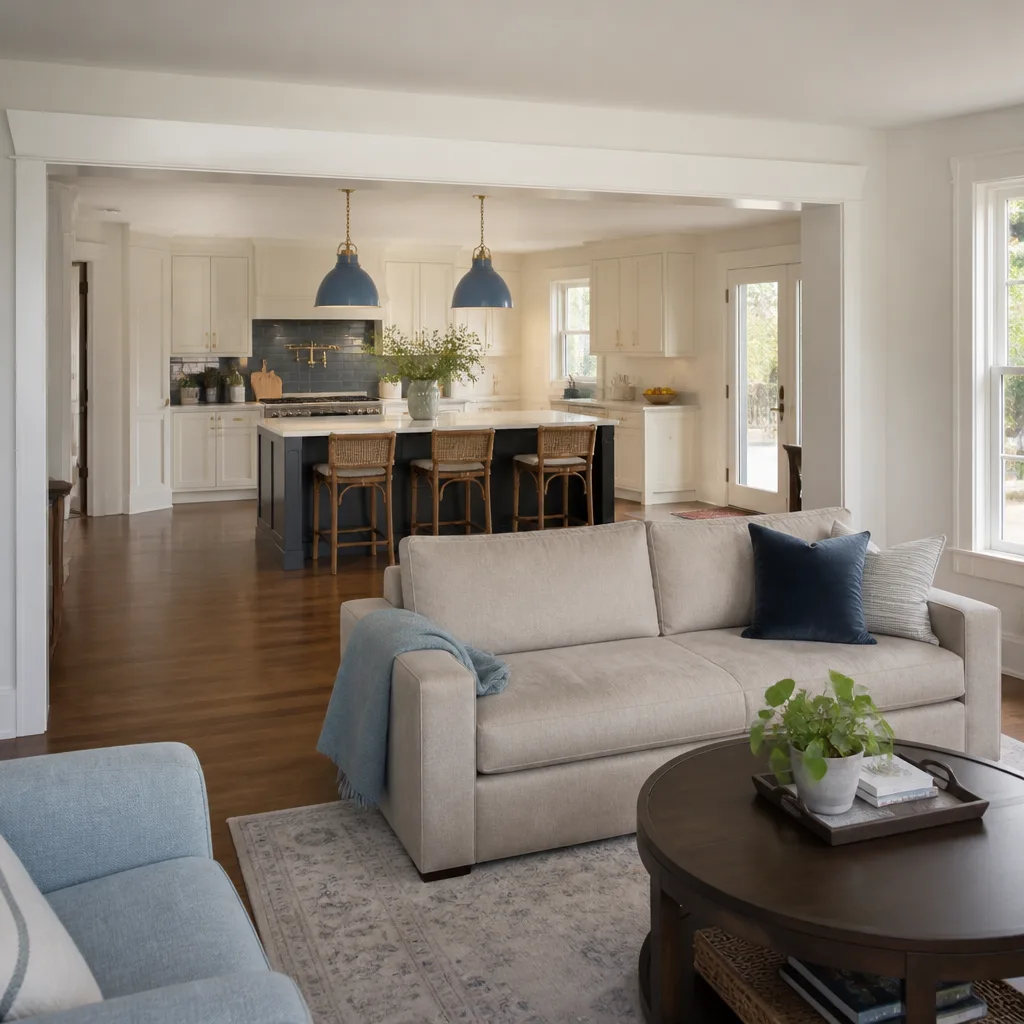
Sawyer Remodel Miami works with the full CertainTeed exterior lineup on additions and ADUs across Miami, Dade County, and up into Broward. That means CertainTeed Monogram and Cedar Impressions siding, Landmark and XT 25 shingles, and CertainTeed drywall for interior partitions. The gotcha most owners hit: your original siding color from eight years ago won’t be in the current CertainTeed color lineup, so you either re-side the whole house or pick a deliberate contrast for the ADU. We lay that out before the first board goes up.
The compatibility piece we check on every job: CertainTeed vinyl siding has a specific profile depth and nailing hem width, and mixing an older series with a newer one on the same wall reads as a patch job in direct sunlight. For roofing, Landmark shingles weigh about 240 pounds per square, and Miami-Dade’s wind-load requirements mean the existing roof deck and nail pattern have to be verified before the addition’s roof ties in. We specify the right CertainTeed underlayment for the tie-in, not whatever’s left on the shelf.
On the parts side, for smaller integrations we also stock and match KraftMaid cabinetry, Cambria and Silestone countertops where an ADU kitchen or wet bar is involved. Same checking process: series, profile, availability.
Styles & brands we work with







Signs Your CertainTeed Home Additions & ADU Is Failing
- Visible color mismatch at the tie-in line. CertainTeed colors shift slightly between manufacturing runs, and a wall that wasn’t planned as one surface shows the seam. This isn’t a defect, it’s a specification problem, and it’s the first thing buyers notice when they walk the property.
- Flashing leaks at the roof-to-wall connection. In Miami, driving rain finds a weak flashing joint in one storm season. If you see staining on the new drywall near the roofline, the addition’s roof tie-in wasn’t detailed properly with the right CertainTeed underlayment and flashing sequence.
- Buckling vinyl on the south-facing wall. CertainTeed vinyl expands and contracts with heat, and Miami’s August sun is brutal. If the siding wasn’t nailed at the center of the slot with proper clearance, it buckles. We see it on additions where a previous contractor ran the panels too tight.
- Drywall seams cracking at the old-house/new-addition junction. The existing house and the addition move differently, especially on Miami’s sandy soils. Without a proper expansion joint at the transition, the crack comes back no matter how many times it’s taped and mudded.
- Water pooling at the ADU foundation line. Miami’s high water table means an addition or ADU without proper grading and perimeter drainage pushes water against the new slab. The CertainTeed siding wicks it at the starter strip. You’ll see peeling paint, efflorescence, or mildew at the bottom course.
See the difference
 Before
 After
After Before
 After
After Before
 After
AfterReplacement Cost & What’s Included
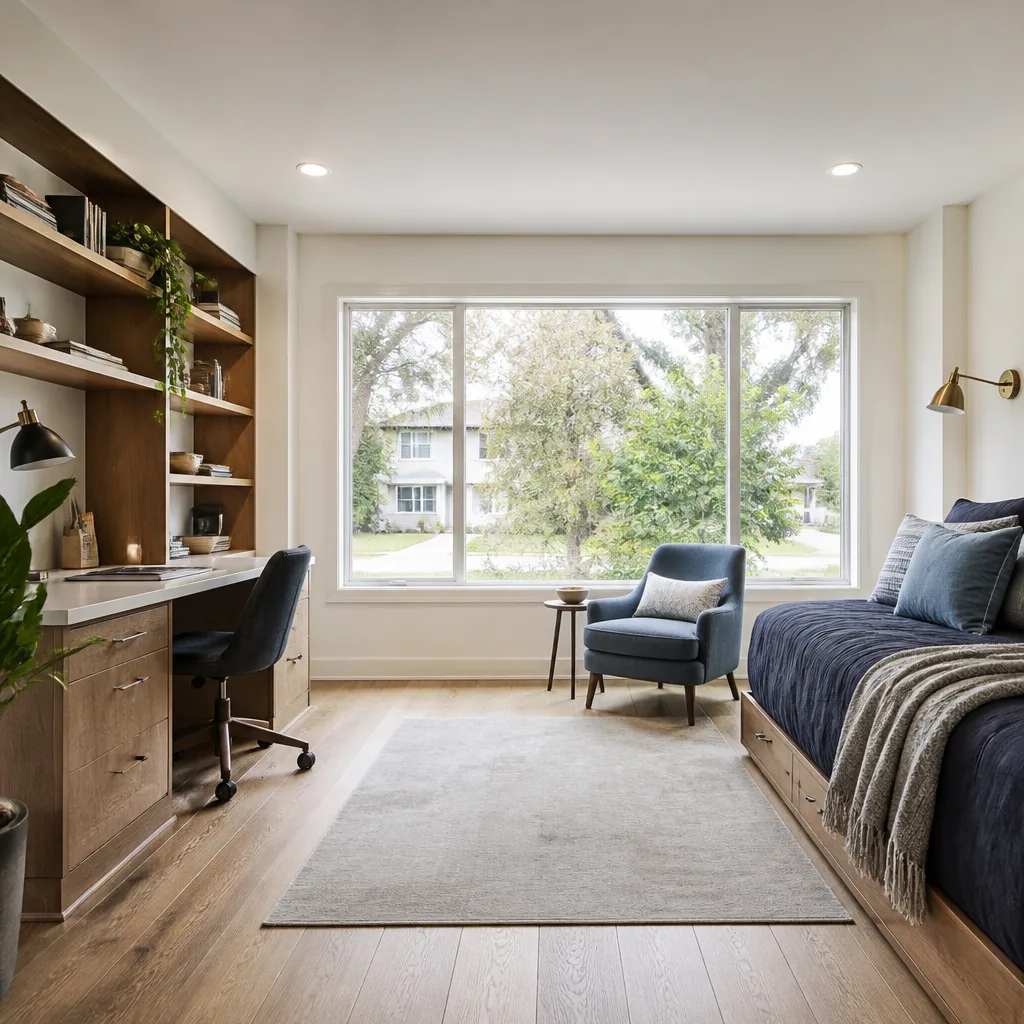
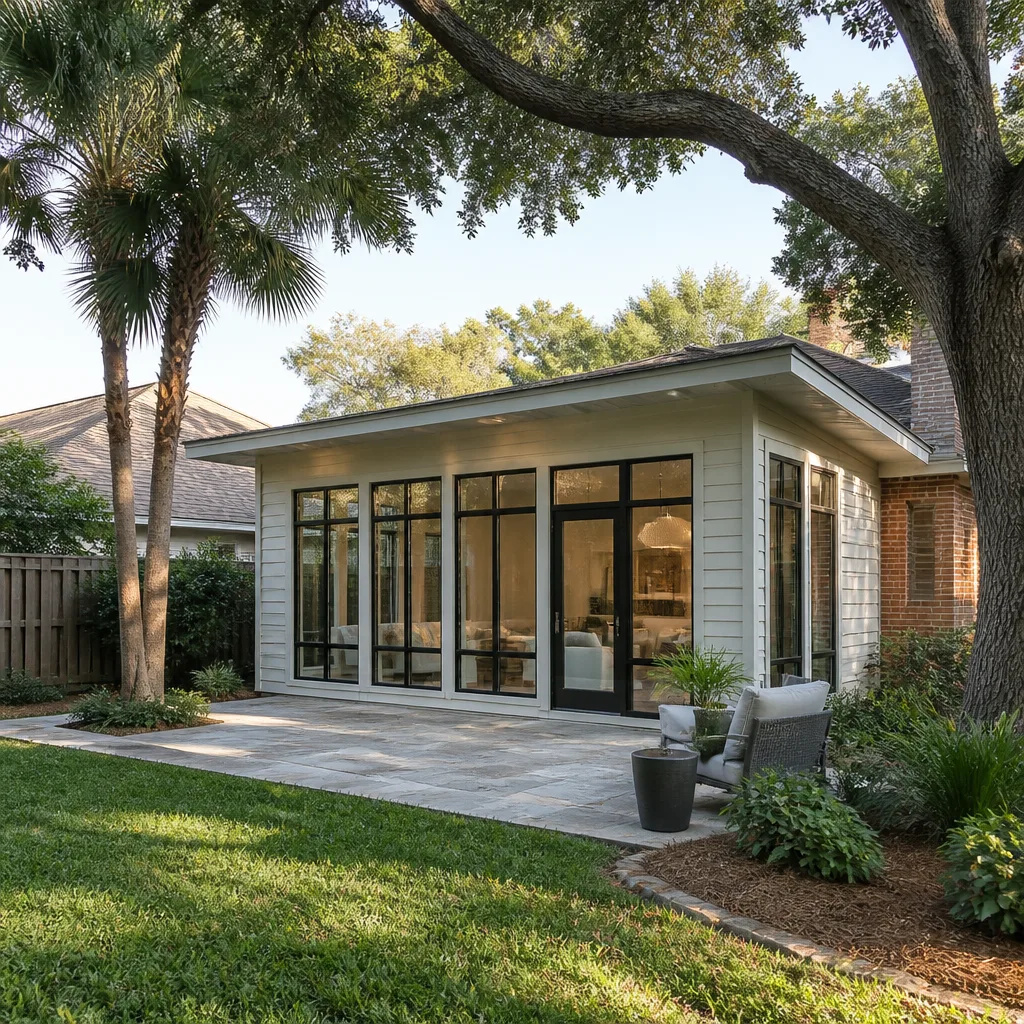
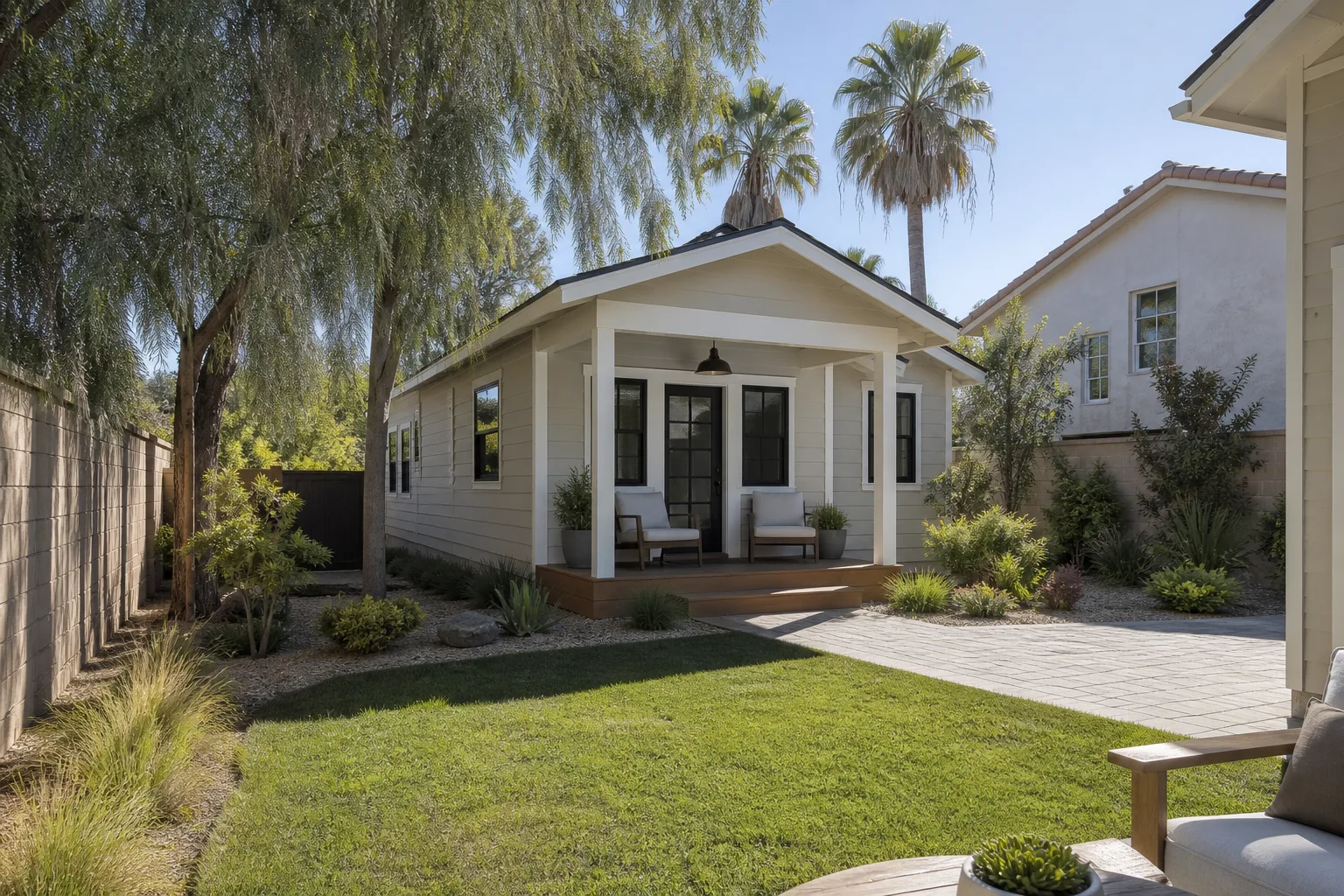
A full home addition in Miami lands between $53,100 and $153,400 installed. That range covers design, permitting, foundation, framing, CertainTeed roofing and siding, drywall, electrical, and finishes. An ADU typically runs higher per square foot because you’re adding a second kitchen and bath into a smaller footprint, and Miami-Dade impact requirements apply to the windows and doors.
What moves the number most: the size of the addition, whether it’s a second story (requires structural engineering and possibly a temporary relocation), the condition of the existing roof and siding you’re tying into, and what the soil does when we dig. We write a line-item price before any work starts, so you see exactly what the CertainTeed materials cost, what the labor costs, and what the permit fees are. No surprises on the invoice. The 365-Day Done Right Promise covers our workmanship for a full year after close, in writing.
Smaller related projects people price at the same time: a kitchen remodel runs $16,520 to $53,100, a bathroom remodel $10,620 to $33,040, and if you’re adding a driveway to the ADU, paver installation runs $8,260 to $21,240 in Miami.
DIY or Call Us?
You can pull your own permits, draw your own plans, and act as your own general contractor in Miami-Dade. You can also re-tape a drywall seam or touch up a paint line on CertainTeed siding. None of that is dangerous, and we’ll tell you straight if a small fix is worth doing yourself.
What we won’t tell you to DIY: tying a new roof into an existing roof, installing CertainTeed siding where wind-load codes apply, or running electrical and plumbing in a new ADU. Get the roof tie-in wrong and Miami’s hurricane season tests it the hard way. Get the electrical wrong and it’s a life safety issue, not a punch-list item. That’s the work you call a licensed contractor for. If you’re in Miami and you want an honest read on whether the addition plan you’re holding is buildable at your budget, call (850) 801-8046. We’ll tell you what it costs and what it’ll actually take, even if the answer is “don’t do that.”
FAQs
CertainTeed Landmark shingles carry a limited lifetime warranty and typically last 25 to 35 years in Miami’s heat and storm exposure, while CertainTeed vinyl siding realistically lasts 30 to 40 years if installed correctly with proper nailing clearance. The weak points here are flashing and underlayment, not the CertainTeed material itself. Miami’s UV and salt air age the accessories faster than the panels or shingles. Call (850) 801-8046 if you want us to inspect the tie-in on an existing addition before it fails.
Yes, if the CertainTeed series and profile are still manufactured and the color is still in production. If the series was discontinued or the color batch has shifted, a spot repair looks worse than the original problem, and you’re better off re-siding that elevation or choosing a deliberate accent color. We’ll match the panel by profile depth and lock geometry, not just by eye. Estimates are free, and we’ll show you exactly what we found.
A typical ground-up ADU runs 6 to 10 months from permit approval to final inspection in Miami-Dade, and a home addition usually runs 4 to 8 months depending on size and scope. Permitting time is additional and varies by municipality. We don’t rush the inspections, because failing a Miami-Dade wind-load inspection sets you back more than a slow, correct install ever would. Call (850) 801-8046 and we’ll give you a real timeline based on your specific project.
We order CertainTeed siding, shingles, and drywall directly for each project after we confirm the series, profile, and color match against your existing house. We don’t warehouse large CertainTeed stock because color lots and availability change constantly, but we do keep common flashing profiles, underlayment rolls, and trim accessories on the truck so small tie-in fixes don’t stall a job. Call (850) 801-8046 if you need a compatibility check before you order anything yourself.
If you’re pricing a CertainTeed home addition or ADU in Miami, start with a real number. Call (850) 801-8046 or reach out for a free estimate. We’ll write the price down before any work starts, show you who’s coming to your house, and send photo updates as the job moves. Good work doesn’t need a sales pitch.
Written by Luca Romano, Owner & Lead Contractor, Sawyer Remodel Miami at Sawyer Remodel Miami, serving Miami and nearby areas.


