

Last updated October 16, 2026





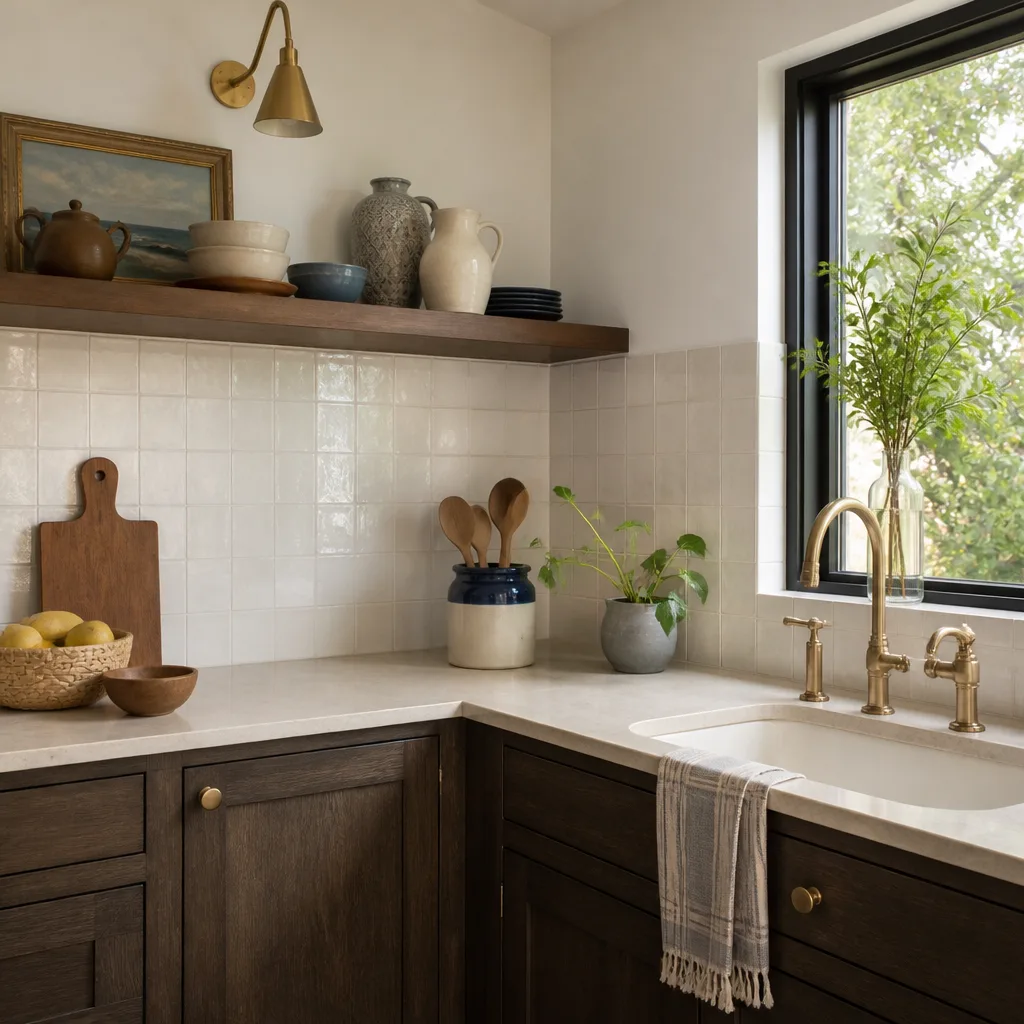


Free written scope consultation - allowances, timeline, and change-order rules on paper before a single trade is scheduled
DIY vs Professional Construction: The Miami Homeowner’s Decision Guide
Miami homeowners who pull their own permits do it to save money, but Florida law quietly turns them into a general contractor the moment they sign the owner-builder affidavit. That single signature makes you personally liable for every subcontractor injury on your property, and it triggers a disclosure requirement that follows your house for years after you sell. This guide walks through exactly where the legal line sits in Miami, which projects make sense to take on yourself, and which ones you should hand to a licensed professional before you open the first wall. For more on this topic, see our How to Hire a Construction Contractor in Miami: A Step-by-Step Guide.
Styles & brands we work with







Quick Answer
DIY makes sense in Miami for cosmetic work: paint, trim, hardware, and flooring that doesn’t touch structure or waterproofing. Hire a licensed professional for anything load-bearing, anything involving plumbing or electrical rough-ins, any work requiring impact-rated assemblies, and any project where a permit and inspection are mandatory. Florida’s owner-builder exemption lets you act as your own contractor, but it makes you legally and financially responsible for everything that happens on site.
Table of Contents
- What Florida’s Owner-Builder Exemption Actually Allows
- Projects Where DIY Genuinely Wins in Miami
- Projects Where DIY Fails in Miami, Even for Skilled Homeowners
- The Insurance Math: What Your Policy Won’t Cover
- Why Miami Humidity Changes the Skill Threshold
- The Three-Question Framework for a Go/Hire Decision
- What a Written Price Actually Protects You From
- Why Material Sourcing Matters More in Miami
What Florida’s Owner-Builder Exemption Actually Allows
Florida Statute 489.103(7) says a homeowner can act as their own general contractor for work on their primary residence, provided they live there and don’t sell or lease the property for one year after completion. That sounds simple. The catch is what the statute also requires: you must sign a notarized owner-builder disclosure that’s recorded with the county, you must personally supervise all work on site, and you must arrange for workers’ compensation insurance for anyone you hire who isn’t covered. In plain terms, Florida lets you be the GC, but it hands you every legal duty a GC carries.
Here’s the breakdown of what the exemption actually permits and prohibits:
- Permitted: Acting as your own GC for construction, renovation, alteration, or repair on your primary residence, as long as you occupy the home and hold title in your own name.
- Permitted: Hiring licensed subcontractors directly for electrical, plumbing, roofing, and HVAC work, as long as you pull the permit as owner-builder and list yourself as the responsible party.
- Prohibited: Selling or leasing the property within one year of completing the work. The county records your owner-builder permit, and a title search will surface it.
- Prohibited: Claiming the owner-builder exemption for a property you intend to flip. If you don’t live there as your primary residence, the exemption doesn’t apply, and performing unlicensed contracting work is a first-degree misdemeanor.
In Miami-Dade County, the permitting process adds another layer. The county’s building department can require you to appear in person to sign the owner-builder affidavit and confirm you understand your responsibilities. Some municipalities within Miami-Dade impose additional documentation requirements. It’s not a loophole that lets you skip the line. It’s a legal designation that puts your name on every inspection, every change order, and every liability claim for the duration of the project.
We bring this up first because most “DIY vs pro” guides treat the decision as a simple skill question. In Miami, it’s a liability question before it’s anything else. If you can’t answer yes to “Am I comfortable being legally responsible for a subcontractor who falls off a ladder on my property?” then the owner-builder route isn’t worth whatever you’d save on GC markup.
Projects Where DIY Genuinely Wins in Miami
Some work is genuinely better done by the homeowner, even in a city with Miami’s building code. The line comes down to whether the project requires a permit, whether failure creates water intrusion risk, and whether a mistake is correctable with a reasonable amount of effort. Here’s where DIY consistently makes sense:
- Interior painting and trim. No permit required, no code inspection, and the stakes are cosmetic. Miami’s humidity means you’ll want high-quality exterior-grade caulk on baseboards and crown molding, but the skill threshold is low and the cost savings are real.
- Hardware replacement. Cabinet pulls, door knobs, switch plate covers, and light fixture swaps that don’t require wiring changes. Fast, safe, and a genuine money saver.
- Flooring that floats. Luxury vinyl plank and engineered click-lock flooring install without glue or nails and don’t require subfloor modification. Read the manufacturer’s moisture rating carefully, because Miami slab vapor drive is real, but proper underlayment solves it.
- Landscape and exterior cosmetic work. Mulch, plants, pressure washing, and non-structural fence repair fall squarely in homeowner territory.
- Cabinet refacing or painting. Full kitchen cabinet replacement often triggers a permit in Miami-Dade if plumbing or electrical moves. But painting existing boxes and swapping doors is a weekend project with real visual payoff.
The common thread: these projects have no structural consequence, no plumbing or electrical rough-in, no waterproofing assembly, and no code inspection requirement. You can make a mistake, learn from it, and fix it without cutting into your drywall a second time. In our experience, Miami homeowners who stick to this list are happy with the savings. The trouble starts when a paint project turns into “while I’m here, I’ll move this outlet,” and suddenly you’re into permit territory without knowing it.
Projects Where DIY Fails in Miami, Even for Skilled Homeowners
Some projects fail for skill reasons. Others fail because the materials themselves behave differently in Miami’s climate, and the techniques that work in Arizona or Colorado simply don’t hold up at 80 percent average relative humidity. Here’s where we consistently see DIY work fail in Miami homes:
Bathroom Remodeling: Waterproofing Is Not Caulk
A bathroom remodel hits nearly every regulatory tripwire at once: plumbing rough-in, electrical work, structural changes, and a waterproofing assembly that must pass inspection before tile goes up. Miami-Dade code requires a shower pan flood test before walls are closed. A homeowner who skips the flood test and tiles directly over a poorly sloped pan might not see the leak for two years, but mold grows in months. By the time it’s visible, you’re looking at full tear-out. Bathroom remodeling in Miami is one of the highest-stakes DIY projects there is, and it’s also one where inspection requirements leave little room for learning on the job.
Drywall and Tile: The Humidity Problem
Drywall and tile are the two trades most likely to be attempted by a confident homeowner, and they’re the two most common failure points in Miami DIY work. Standard drywall compound takes longer to cure in high humidity, and if you paint over it too early, you trap moisture in the wall. Tile over a concrete slab in Miami requires crack isolation membrane, and tile on a shower wall requires a waterproofing layer behind the thinset that many first-timers skip entirely. The national failure rate for DIY shower waterproofing is high enough that manufacturers like Schluter sell their systems almost exclusively through trained installers.
Exterior Openings: Impact-Rated Assemblies Are Not Optional
Any project that touches an exterior wall, window, or door in Miami-Dade runs into wind-load and impact-resistance requirements that don’t exist in most of the country. A replacement window in Miami has to be a Miami-Dade NOA-approved product installed to a specific assembly detail, and the installation itself has to be documented and inspected. A homeowner who buys a window at a big-box store and installs it with the included screws may find that the product doesn’t meet code, the installation doesn’t pass inspection, and their insurance carrier won’t cover damage in the next hurricane. Exterior work in Miami isn’t just drywall you can peel off and redo. It’s a code-governed assembly with life-safety implications.
Electrical and Plumbing: The Injury and Claim Problem
Florida allows homeowners to pull electrical and plumbing permits as owner-builders, but that freedom comes with responsibility for everything downstream. A homeowner-performed electrical splice that fails later becomes a fire claim your insurance company investigates for workmanship. A homeowner-performed plumbing connection that leaks becomes a water damage claim with a subrogation investigation. When the insurer finds the work was self-performed without a licensed electrician or plumber on record, the claim is often denied. In these trades, hiring a licensed professional is less about getting the work done and more about getting it insured.
The Insurance Math: What Your Policy Won’t Cover
Most homeowners’ policies in Florida contain a faulty workmanship exclusion, and it’s enforced more aggressively today than it was a decade ago. The exclusion says your insurance covers sudden and accidental damage, but not damage that results from construction or repair work that was performed incorrectly. Here’s what that means in practice:
- If a licensed contractor botches a job, their general liability insurance responds. You file a claim against their policy, and their carrier pays to fix the damage.
- If you botch the job yourself, there’s no contractor policy to claim against. Your homeowners’ insurance points to the faulty workmanship exclusion and denies the claim.
- If an unlicensed handyman gets hurt on your property, your homeowners’ liability claim may be denied because you hired someone who couldn’t legally be there. You’re then personally exposed for medical bills and lost wages.
- If you self-perform work without a permit, and the work later fails and causes damage, the absence of a permit and inspection record is often used as evidence of negligence.
The insurance math in Miami is starker than in most markets because water damage is the most common claim in the state, and water damage is exactly what follows a waterproofing or plumbing failure. A licensed contractor in Miami carries liability coverage that transfers the financial risk of a bad tile job, a bad drain connection, or a bad window flashing off your policy and onto theirs. When you self-perform, you’re self-insuring every one of those risks, and most of them cost more to fix than they cost to hire out the first time.
Why Miami Humidity Changes the Skill Threshold
Dry climate construction is forgiving. If you leave a gap, skip a moisture barrier, or use the wrong adhesive in a place like Phoenix, the mistake often never manifests as a problem. Miami is different. Our average morning humidity sits above 80 percent for most of the year, and that changes the performance of nearly every building material you touch.
Here’s what Miami humidity does to common DIY projects:
- Drywall and joint compound dry slower and can develop surface mold before they’re ready for paint. Homeowners who prime too early trap moisture behind the coating, and the mold shows up as dark stains within a year.
- Wood framing and trim take on moisture and swell. Doors that fit fine in March bind in June, and millwork installed without an acclimation period gaps at the joints when the humidity swings.
- Tile on concrete slabs moves with vapor pressure from the ground. Skipping crack isolation membrane on a Miami slab means cracked tile and cracked grout, usually within the first 18 months.
- Adhesives and caulks rated for interior use in dry climates fail on Miami exteriors. Exterior-grade products are specified for a reason, and the big-box store brands don’t always hold up across a full Miami summer.
The skill threshold rises because the environmental margin for error shrinks. A shower waterproofing detail that would survive in Minnesota might fail in Miami solely because of condensation cycles and constant moisture exposure. The tradespeople who work in Miami every day know which products survive here and which ones don’t, and that knowledge is exactly what you’re buying when you hire a contractor who’s done it for years instead of watching a tutorial filmed in a different climate. Our Seasonal Construction Care for Miami: Year-Round Homeowner’s Guide covers what to watch for each season.
The Three-Question Framework for a Go/Hire Decision
Rather than asking you to run through a twenty-item checklist, here’s a simpler approach. Three questions, answered honestly, produce a clear go/hire answer in under five minutes:
- Is a permit required? If the answer is yes, you’re not just doing construction, you’re becoming a legal contractor. Ask yourself if you’re willing to appear in person at Miami-Dade building department, sign a notarized owner-builder affidavit, schedule inspections, and be personally responsible for every worker on site. If the answer is no, hire it out.
- Can failure wait to be discovered? Paint can fail and you’ll see it the next day. A shower waterproofing failure hides for years and destroys framing, drywall, and subfloor before you know it exists. Any project where failure is invisible until it’s expensive is a professional’s job.
- Does my homeowners’ insurance cover self-performed work? The answer is almost always no for workmanship failures, and the bigger the project, the bigger the uncovered exposure. If self-performing means self-insuring, run the numbers honestly. The money you’d save on labor often doesn’t cover the money you’d risk on an uncovered water or fire claim.
If all three answers point toward hiring, the decision is made. If the first answer is no and the project is cosmetically reversible, DIY is a reasonable bet. The framework works because it strips the decision down to the variables that actually matter in Miami: legal exposure, failure latency, and insurance coverage. Everything else is preference.
What a Written Price Actually Protects You From
Most homeowners who choose professional construction in Miami do so after a bad experience with a contractor who quoted low and billed high. The challenge isn’t finding a contractor. It’s finding one who will put the price on paper and hold it. When we talk about working with a general contractor in Miami, the single most important thing to verify is whether the written price is a real commitment or a conversation starter.
Here’s what a written price should include, based on what we’ve seen protect homeowners:
- Line-item scope. A real written price lists what’s included, what’s excluded, and what happens if hidden conditions emerge. Anything less is a handshake with a number attached.
- A fixed total with change-order rules. The number on the invoice should match the number you approved, except for changes you signed off on in writing. If the contract allows for cost-plus changes without a written approval, you don’t have a price, you have a starting point.
- Material allowances spelled out. Vague allowances like “mid-range tile” are how quotes turn into arguments. A real written price ties material allowances to specific grades or specific brands, so you know what you’re approving before demolition starts.
- Payment schedule tied to milestones. A contractor who asks for 50 percent before any work starts and 50 percent the day before completion has structured the deal so you carry all the risk. Progress payments tied to inspections protect both sides.
At Sawyer Remodel Miami, we’ve built our process around the idea that a homeowner should see the full price on paper before any work begins, and that price should be the price on the final invoice. The Sawyer Remodel Miami team operates under the Relay Visibility Guarantee, which means a live arrival time, before-and-after photo updates, and a written price before a single tool is picked up. If a contractor can’t or won’t commit to that level of clarity, that’s useful information for your decision.
Why Material Sourcing Matters More in Miami
Miami’s climate doesn’t just change the skill required, it changes the materials that work. A vanity that handles 30 percent humidity in Denver will swell and delaminate in a Miami bathroom. A countertop that’s perfectly serviceable in a dry kitchen will stain differently in one where the air is regularly saturated. Material selection is where professional contractors add value that’s hard to see on the front end and obvious on the back end.
Here’s what we mean specifically:
- Engineered quartz countertops from manufacturers like Cambria and Silestone are non-porous, which means they resist the staining and bacterial growth that Miami’s humidity encourages. Natural stone in the same application requires sealing every six to twelve months, and skips in routine maintenance become permanent marks.
- Cabinetry from KraftMaid and Wellborn comes with factory-applied finishes that are engineered for moisture resistance. Site-finished cabinets, which many DIYers prefer because they’re cheaper, don’t get the same curing process and fail faster in high-humidity environments.
- Tile substrates and waterproofing systems specified by manufacturers for wet areas carry warranties only when installed by trained professionals. The material itself matters, but so does the installation qualification.
This is another place where the DIY math gets fuzzy. A homeowner pricing a bathroom tile project compares tile cost to tile cost, and decides DIY saves the labor. But the professional installation includes the waterproofing assembly, the crack isolation, the correct thinset and grout for Miami’s conditions, and the manufacturer warranty on the system. The material itself is a fraction of what’s actually being purchased. When you look at bathroom remodeling in Miami through that lens, the professional quote is buying a system, not a stack of tile.
Miami-Specific Code and Inspection Realities
Miami-Dade County operates one of the strictest building codes in the country, and the inspection process reflects that. Every permit route leads to scheduled inspections, and an inspector who walks onto a job and finds work that wasn’t done to code will fail the inspection and send you back to fix it. For a professional contractor, that’s a procedural cost. For a self-performing homeowner, it’s often the moment the project stalls, because you now have to diagnose an issue you didn’t know existed and fix it in a way that satisfies an inspector you’ve never dealt with before.
The inspections you’re most likely to encounter on a home renovation in Miami include:
- Rough-in inspections for plumbing and electrical, before walls are closed. If your work fails here, you fix it and schedule another inspection, which adds days or weeks.
- Flood test inspections for shower pans, where the inspector confirms water is held for 24 hours without leaking.
- Shear wall and strap inspections for structural work, which verify the connections that hold your framing together in high-wind events.
- Final inspections that confirm the work matches the approved plans and the code in effect at permit issuance.
We’ve seen homeowners who did beautiful work fail inspections on details they didn’t know existed: the specific nailing pattern on a shear wall, the required gap between a gas line and an electrical conduit, the exact slope of a drain line under a slab. These aren’t trivial details. They’re the code’s way of making sure your house survives a Category 4. The inspection process in Miami exists because the failure mode is real, and learning it on the fly is expensive.
What the Owner-Builder Disclosure Does to Resale
Here’s the part almost no DIY guide mentions: the owner-builder affidavit is recorded with the county, and it shows up in title searches. If you sell your home within two years of completing owner-builder work, Florida law requires you to disclose to the buyer that the home was owner-built or owner-remodeled. That disclosure has real consequences. Some buyers walk away because they don’t want to buy a home where the work wasn’t performed by licensed contractors. Lenders occasionally flag owner-builder history in their underwriting review, because self-performed work carries unknown risk that licensed work doesn’t.
And it’s not just the disclosure timing. If you do unpermitted work and don’t disclose it, and the buyer discovers it after closing, you’ve opened yourself to a failure-to-disclose claim. Florida courts routinely side with buyers in these cases, and the damages can include the cost of bringing the work up to code, in addition to legal fees. For a bathroom remodel you saved $8,000 on, that’s a poor trade.
This is where the math gets uncomfortable for the DIY route. In most of the country, a homeowner who self-performs work enjoys the savings and the skill, and the resale impact is minimal. In Miami and the rest of Florida, the owner-builder designation follows the property, not the person. What you save today can become a disclosure burden when you sell, and the buyer pool shrinks accordingly. That’s a Florida-specific consideration we see homeowners discover too late.
Common Mistakes to Avoid
- Assuming the owner-builder exemption is a permit shortcut. It’s a legal designation with liability and disclosure obligations, not a way to skip inspections. You still pull permits. You still schedule inspections. You just do it with your own name attached to everything.
- Painting over drywall compound in Miami humidity. Joint compound needs time to cure at ambient humidity, and rushing the paint coat traps moisture permanently. What looks fine in week one becomes visible mold in month six.
- Installing a shower without a flood test. Miami-Dade requires the flood test, and skipping it means the waterproofing has never been verified. We’ve seen DIY showers that held water for a week and then failed when the pan settled into the slab.
- Skipping crack isolation membrane under tile on a concrete slab. Miami slabs move, and tile applied directly to concrete without isolation will crack. It’s one of the most preventable defects we see in DIY tile work.
- Using interior-rated caulk on exterior openings. The product labels matter, and an exterior seal failing in Miami’s humidity opens the wall to water intrusion that insurance won’t cover if the caulk was the wrong product.
- Self-performing electrical work without a license. Florida may allow it under owner-builder, but your insurance company doesn’t have to like it. A fire claim with self-performed wiring in the history is a denied claim waiting to happen.
- Not asking for a written price before work starts. A verbal quote plus a handshake is how Miami homeowners end up surprised at the invoice. If the contractor won’t put the number on paper, that’s information about how the rest of the project will go.
When to Call a Professional
If your project requires a permit, touches plumbing or electrical rough-in, changes a load-bearing wall, or involves a waterproofing assembly, call a professional before you open the wall. The same applies if you’re considering owner-builder work on a home you might sell within two years, or if you don’t want to be personally liable for every worker on site. For anything beyond cosmetic surface work, the licensed route protects your insurance, your resale timeline, and your liability exposure in ways the DIY path can’t. Home renovation in Miami is a code-governed process, and navigating it with a licensed contractor on record is the difference between a clean inspection and a stalled project. Sawyer Remodel Miami offers free estimates in Miami. Call (850) 801-8046 and we’ll give you a written price before any work begins.
Frequently Asked Questions
Yes, if the remodel involves plumbing changes, electrical work, structural modifications, or waterproofing assembly replacement, a permit is required in Miami-Dade County, even if you do the work yourself under the owner-builder exemption. Cosmetic changes like painting, hardware replacement, and surface refinishing typically don’t require a permit. Call (850) 801-8046 for a free estimate and we can walk you through what your specific project requires.
Yes, if you own the home, occupy it as your primary residence, and don’t sell or lease it for one year after completion, Florida allows you to act as your own general contractor under the owner-builder exemption in Florida Statute 489.103(7). You must sign a notarized owner-builder affidavit, personally supervise the work, and arrange workers’ compensation coverage for anyone you hire. The affidavit is recorded with the county and appears in title searches.
A professionally executed bathroom remodel in Miami typically runs $15,000 to $35,000 for a standard three-piece hall bath, depending on material grades, plumbing relocation, and whether waterproofing needs full replacement. Larger primary bathroom projects with premium finishes from brands like Cambria or Kohler can reach $50,000 to $80,000. Call (850) 801-8046 for a written line-item quote on your specific scope.
No, most homeowners’ policies in Florida contain a faulty workmanship exclusion that denies claims for damage caused by construction or repair work performed incorrectly. If your self-performed tile leaks and ruins a ceiling, your insurance company will likely deny the water damage claim under the workmanship exclusion. A licensed contractor’s liability insurance covers that risk instead. Always verify your coverage before self-performing work.
If you complete owner-builder work and sell your home within two years, Florida law requires you to disclose the owner-builder history to the buyer in writing. The disclosure appears in title searches, and some buyers and lenders won’t proceed on homes with owner-builder history. You may also face legal exposure if you perform unpermitted work and fail to disclose it, with courts routinely siding with buyers in those cases.
The Miami-Dade requirements that most often fail for self-performed work are shower flood test inspections, crack isolation membrane under tile on concrete slabs, impact-rated window and door assemblies, and shear wall nailing patterns on structural work. Each of these is a code-governed detail that inspectors check specifically, and failing any of them means rescheduling the inspection after corrective work. Call (850) 801-8046 for a free estimate, and we’ll explain what your project requires before you start.
The Bottom Line
DIY construction in Miami is a smart move for cosmetic work that doesn’t touch structure, plumbing, electrical, waterproofing, or exterior openings. It’s a poor move for everything else, because Florida’s legal framework turns self-performing homeowners into personally liable contractors, Miami’s humidity turns small mistakes into major failures, and insurance carriers deny claims for self-performed workmanship defects. The three-question framework, permit required, failure latency, insurance coverage, produces a clear answer in minutes. When the answer points toward hiring, get a written price with line-item scope and a fixed total before any work begins. See our General Contractor Maintenance Checklist for Miami Homeowners for what to verify before signing. Sawyer Remodel Miami offers free estimates across Miami. Call (850) 801-8046 and we’ll put the price in writing.
Written by Luca Romano, Owner at Sawyer Remodel Miami, serving Miami since 2005.
See the difference
 Before
 After
After Before
 After
After Before
 After
After

