
Free written scope consultation - allowances, timeline, and change-order rules on paper before a single trade is scheduled
American Standard Home Additions & ADU: The Miami Owner’s Guide
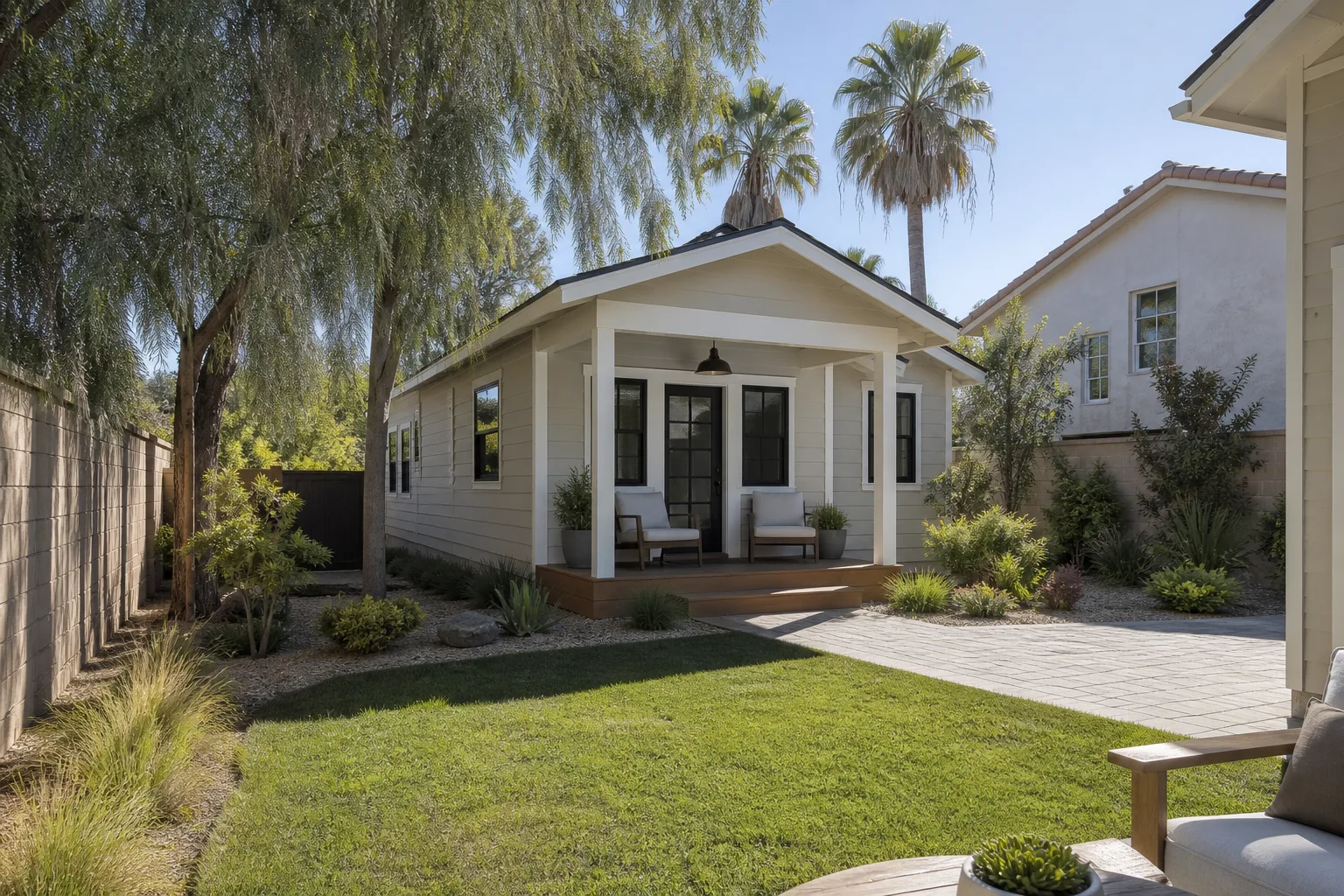
American Standard home additions and ADU construction in Miami typically runs $53,100 to $153,400 for a full addition, and $106,200 to $259,600 for a complete detached ADU build. We install and service American Standard products as part of larger remodeling projects, and we’re an independent contractor, not affiliated with American Standard directly. Most homeowners discover their existing addition or ADU has a failing component when something obvious shows up: a cracked slab in the summer heat, a roof leak after a hurricane warning, or drywall seams pulling apart during a humidity spike. By the time you’re searching for a fix, the question is rarely whether to repair, it’s whether the existing structure is worth saving or if a rebuild makes more financial sense.
Key Takeaways:
- Full home addition in Miami: $53,100 – $153,400 depending on square footage, finish level, and foundation work
- Detached ADU construction: $106,200 – $259,600 including utilities, permits, and finishes
- We put a written price in your hands before any work starts, and it doesn’t change at the door
- Every project carries the 365-Day Done Right Promise in writing
Which American Standard Models This Applies To
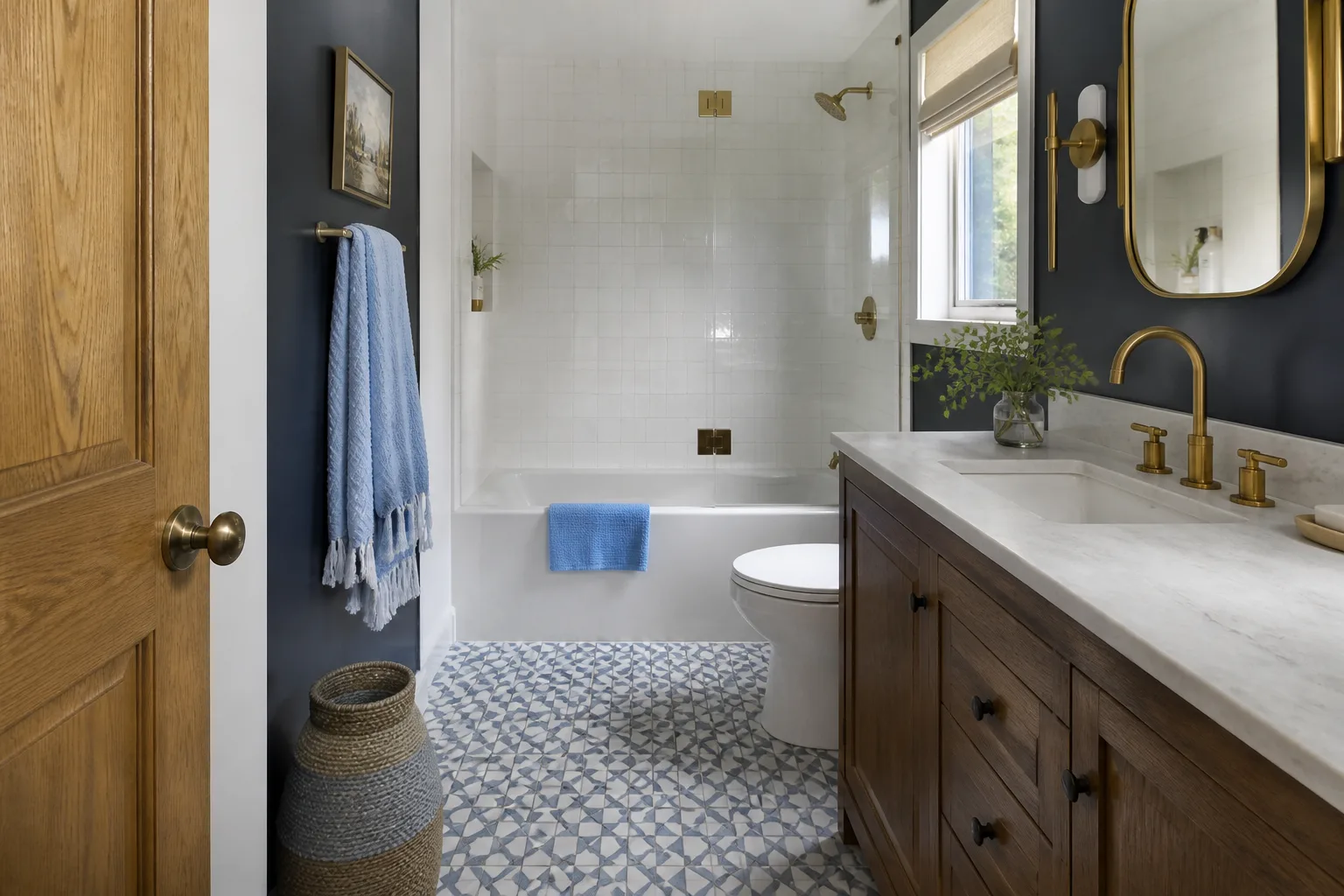
American Standard doesn’t manufacture framing lumber or roof trusses. What they make, and what we regularly work with on Miami additions and ADUs, is the plumbing and HVAC infrastructure that goes inside the structure. That means the compatibility question is usually about the fixtures and systems you already have in the main house. If your existing home runs American Standard plumbing fixtures, you have two paths for the addition: match them with new American Standard units for visual consistency, or use the rough-in specs from your current setup and adapt. The gotcha most owners hit is in the drain and vent sizing. Older Miami homes, especially 1950s and 1960s builds in Coral Gables and the Roads, used 1.5-inch drain lines. American Standard’s current lineup assumes 2-inch drains on most full bathrooms. If you’re tying a new bathroom into an older stack, we need to either run new drain lines or use an adapter, and that changes the scope. We check this in the first hour of the estimate.
On the OEM versus aftermarket question for American Standard fixtures: their OEM cartridges and fill valves are solid, but we’ve had good luck with Moen and Delta replacement internals when a client wants to keep an older American Standard shell but modernize the moving parts. For a full addition or ADU, though, we almost always recommend new fixtures from Kohler, Moen, or Grohe, which we stock and have manufacturer backing for. American Standard makes a good product, but the warranty service on new-build plumbing is where the difference shows.
Styles & brands we work with







Signs Your American Standard Home Addition or ADU Is Failing
- Cracks in the slab or foundation walls – Miami’s soil is mostly limestone and sand, which shifts with groundwater levels. A hairline crack under 1/8 inch is usually cosmetic. Anything wider, especially with vertical displacement, means movement that will keep moving.
- Doors and windows that stick or won’t latch – When a small addition starts shifting, the first place it shows is the door frames. If a door that closed fine last year suddenly needs a shove, the opening has moved.
- Drywall seams pulling apart, especially at ceiling corners – Florida humidity cycles cause expansion and contraction. Repeated seam failure in the same spot after two repairs usually means a structural issue, not a drywall mud problem.
- Musty smell that won’t go away – In a Miami addition, this almost always traces to a roof flashing failure or a slab moisture issue. Once mold gets into wall cavities, you’re not fixing it with paint.
- Plumbing fixtures that drain slowly while the main house works fine – If your addition was tied into the main house’s drain line incorrectly or with undersized pipe, you’ll see chronic clogs. That’s a design flaw, not a maintenance problem.
See the difference
 Before
 After
After Before
 After
After Before
 After
AfterReplacement Cost & What’s Included
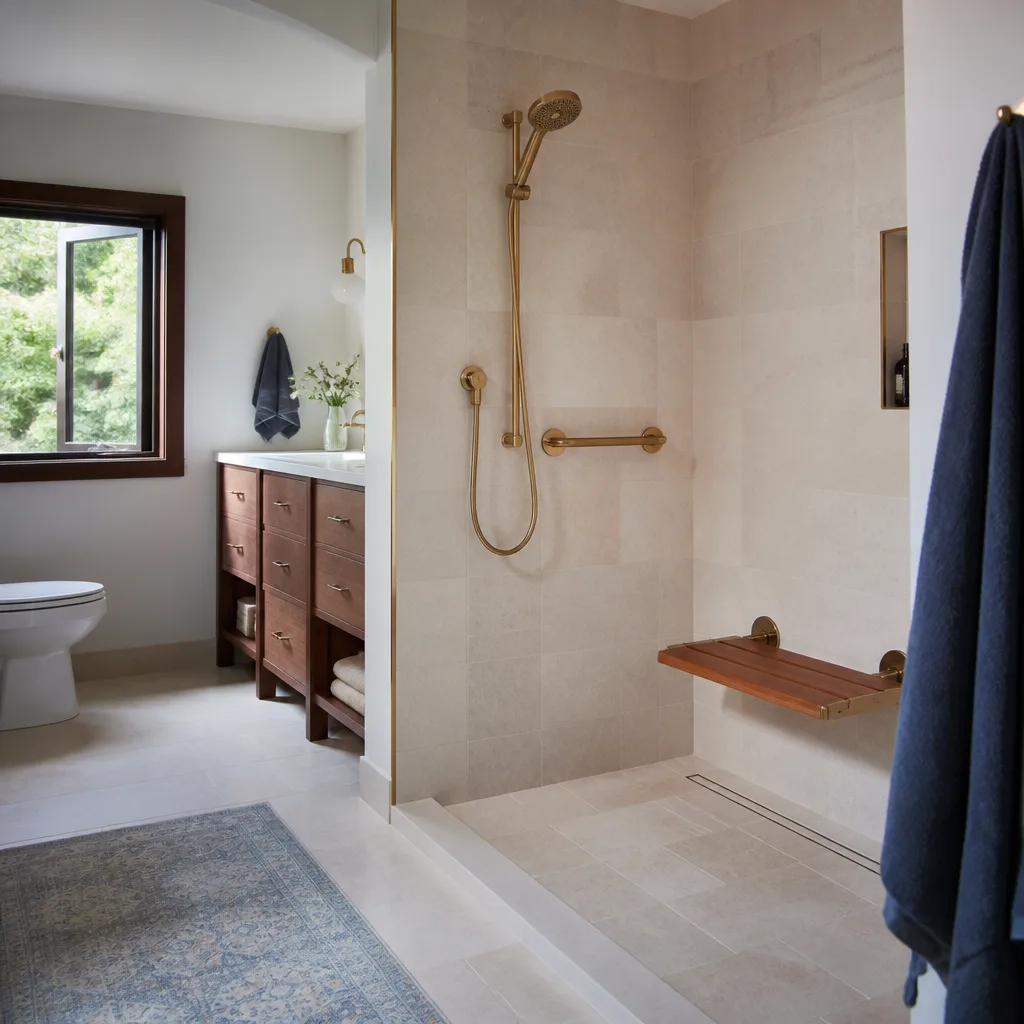
For a full home addition in Miami, expect $53,100 to $153,400. That range covers a small bump-out office or bedroom at the low end, and a substantial family room or primary suite addition at the top. The biggest variables are square footage, foundation type (slab-on-grade is less than elevated on pilings), roof tie-in complexity, and finish level. An ADU runs $106,200 to $259,600 because it’s a complete standalone structure: its own foundation, roof, electrical panel, water heater, and plumbing. If you need a garage conversion instead, that runs $35,400 to $94,400, and it’s often the fastest path to usable square footage because the structure already exists.
What your price includes, always: a written line-item quote before work starts, permits pulled by us, inspections passed, materials from named brands like KraftMaid and Cambria or James Hardie, and the 365-Day Done Right Promise in writing. If something isn’t done right, we make it right within the year after we finish. You’ll know who’s coming to your house, when they’ll arrive, and what it costs before a tool gets picked up. That’s The Relay Standard, and it’s not an upgrade.
DIY or Call Us?
You can safely check a few things yourself: look at the exposed plumbing under sinks for signs of past leaks, run your finger along drywall seams to feel for movement, and walk the slab looking for cracks. What you shouldn’t do is attempt structural repairs, electrical panel work, roof tie-ins, or anything that involves lifting or shoring a wall. Miami code enforcement takes unpermitted structural work seriously, and an unpermitted addition or repair on your property becomes a title problem when you sell. We’ve pulled permits in every Miami-Dade municipality from Homestead to Aventura, and we know which inspectors want to see what. If you’re not sure whether your situation needs a pro, call (850) 801-8046 and describe it. Estimates are free, and we’ll tell you straight if it’s something you can handle.
FAQs
A properly built addition or ADU in Miami should give you 50 to 70 years of structural life, assuming the roof is replaced every 20 to 25 years and the slab is protected from water. The Florida climate shortens roof life compared to northern states, so budget for re-roofing twice over the structure’s life.
In many cases yes, especially if the issue is roof flashing, drywall, plumbing, or door adjustment. Structural slab movement is the one that tips toward rebuild. We’ll tell you which one you’re dealing with during the estimate, and we’ll put the repair price and the replacement price both in writing so you can compare.
A small addition runs 8 to 12 weeks including permitting. A full ADU runs 16 to 26 weeks depending on site work, utilities, and weather. Miami’s permitting offices have their own rhythm depending on the municipality, and we account for that in the schedule before we start, not after.
We stock common American Standard plumbing components on our trucks for service calls, but for new construction we install new fixtures from Kohler, Moen, and Grohe, plus surfaces from Cambria and Silestone and cabinetry from KraftMaid. Call (850) 801-8046 and we’ll tell you what we have and what we need to order.
If you’re pricing an addition or ADU in Miami, call (850) 801-8046 and we’ll set up a free estimate. Luca Romano will walk the property with you, explain what’s realistic, and you’ll get a written price with no pressure. Good work doesn’t need a sales pitch.
Written by Luca Romano, Owner & Lead Contractor, Sawyer Remodel Miami at Sawyer Remodel Miami, serving Miami and nearby areas.


