
Free written scope consultation - allowances, timeline, and change-order rules on paper before a single trade is scheduled
CGI Home Additions & ADU: The Miami Owner’s Guide
CGI home additions and ADU construction in Miami typically run $53,100 to $153,400 depending on square footage, foundation work, and whether you’re building up or out. Most owners call us after realizing their existing structure won’t carry the load, or their property’s CGI concrete block construction needs specific tie-in work before framing can start. We stock the CGI-compatible connectors, anchors, and framing components on our trucks so a site assessment moves straight into a written price, not a parts hunt.
Here’s the situation we see most often: a homeowner gets an addition quoted by someone who hasn’t worked much with CGI block, the price looks great, then the job stalls because the tie-in details weren’t spec’d right. That’s where the real cost hides. Luca Romano and our crew have been cutting into CGI block walls in Miami for years, from Coconut Grove to Little Havana, and we know what the block tells you before you swing the sledge.
Which CGI Models This Applies To
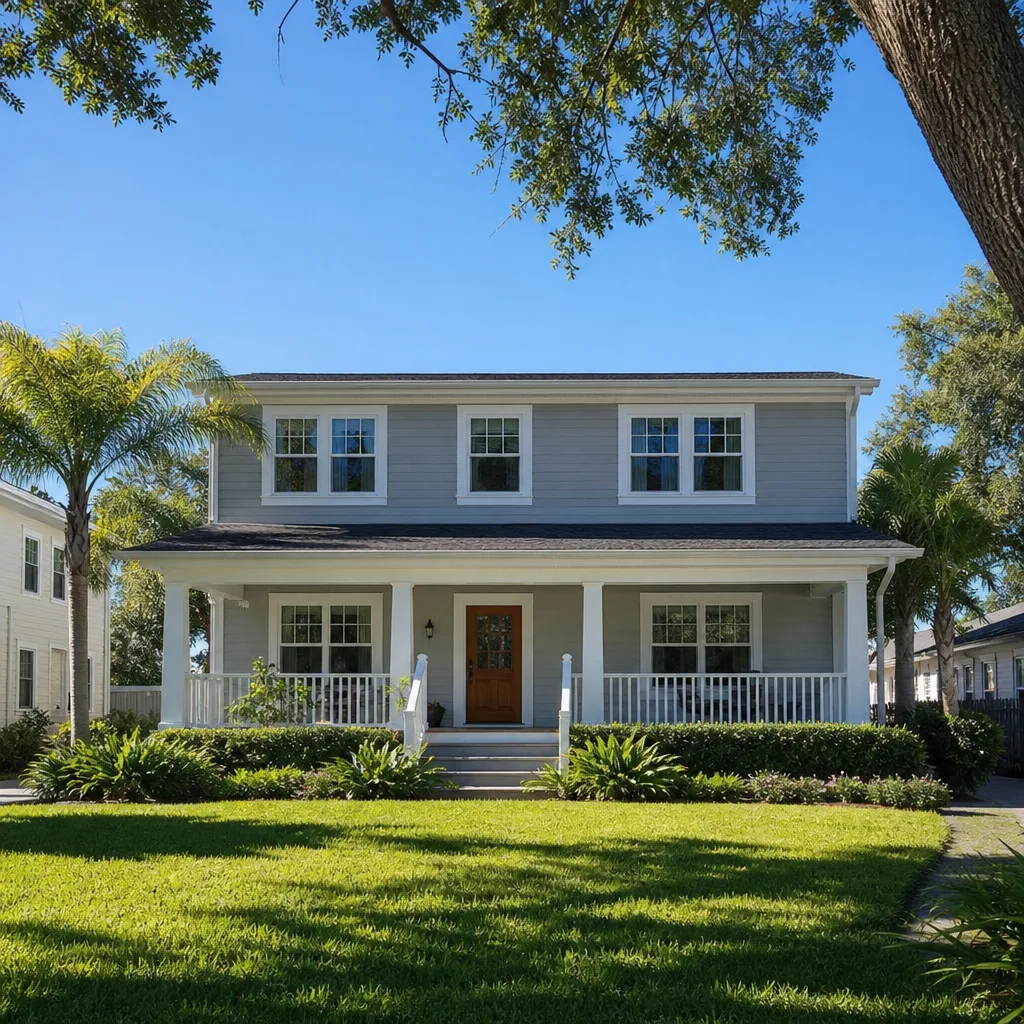
CGI concrete block isn’t a single SKU, it’s a building system with regional manufacturing specs. Miami homes built from the 1960s through today use CGI block in 4-inch, 6-inch, and 8-inch nominal widths, with the 6-inch being the standard for load-bearing exterior walls. The gotcha: older CGI block in Miami Beach and Coral Gables often runs closer to actual dimension, not nominal, which changes your anchor spacing and lintel sizing. You can verify what you have by measuring a clean edge at a door jamb or window opening. If it reads 7-5/8 inches, you’ve got the standard 8-inch nominal block. If it reads 6, you’re dealing with the older true-dimension stock that some pre-1980 Miami houses used.
For tie-in work, we run Simpson Strong-Tie and Hilti epoxy anchors rated for CGI’s compressive strength. Aftermarket anchors cost less up front, but in Miami’s salt air the zinc plating on cheap anchors fails within a few years. We won’t install them. The epoxy matters too: Hilti HIT-HY 200 sets fast in humid conditions where cheaper epoxies sweat out and lose bond. That’s a Miami-specific failure mode most out-of-town contractors learn about the expensive way.
Styles & brands we work with







Signs Your CGI Home Addition or ADU Plans Need Professional Assessment
- You’re planning a second-story addition over a single-story CGI block home. The block walls below weren’t poured with vertical rebar in every cell, which means the structure can’t carry the new load without reinforcement. We find this in roughly 7 out of 10 Miami homes from the 1970s and 80s.
- The existing block has hairline stair-step cracking near window corners. This usually means settlement or insufficient lintel bearing, and whatever you add on top will make it worse. The fix has to happen before framing, not after.
- Your ADU plans call for cutting a new exterior door opening. CGI block doesn’t give you clean cuts without the right saw and temporary support. Do it wrong and you’ll crack the wall 4 feet beyond the opening.
- The roofline where the addition ties in shows moisture staining on the interior block. That means the existing flashing was never properly integrated, and your new addition will inherit the leak unless it’s corrected at the tie-in.
- Previous renovation work used wood furring strips directly on the block without a moisture barrier. In Miami’s humidity, that’s rot waiting to happen, and the new addition’s framing will butt against it. We flag this on almost every older home we assess in Westchester and Kendall.
See the difference
 Before
 After
After Before
 After
After Before
 After
AfterReplacement Cost & What’s Included
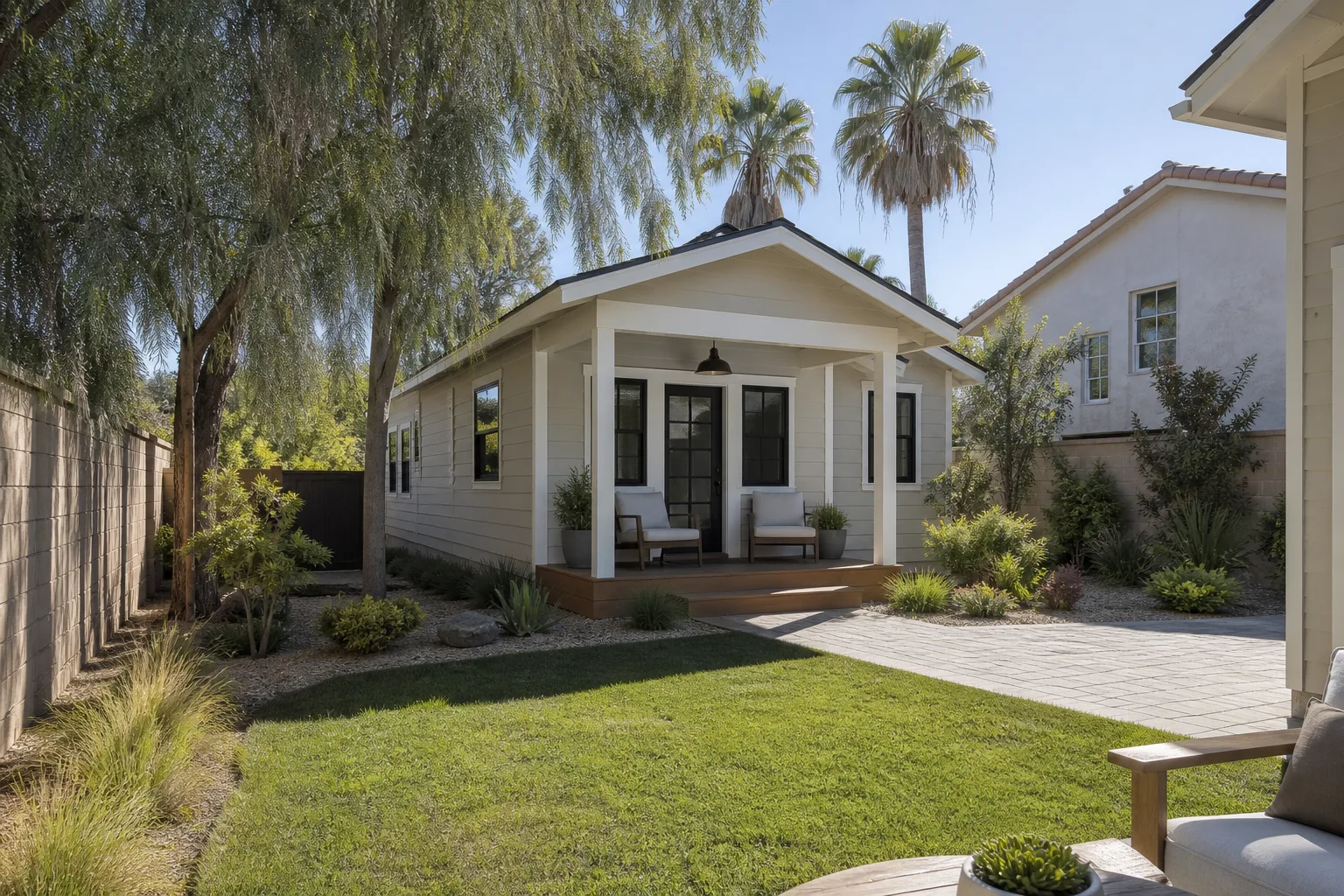
A full home addition in Miami runs $53,100 to $153,400. An ADU construction project runs higher, $106,200 to $259,600, because it’s a complete standalone build with its own electrical service, plumbing runs, and often a separate foundation. Garage conversions land between $35,400 and $94,400 depending on whether the existing slab passes inspection or needs cutting for plumbing.
Every quote we write includes the structural tie-in work specifically for CGI block: anchor bolts, epoxy, lintels over new openings, and the Simpson brackets required by Miami-Dade code. You get a line-item breakdown before any work starts. No allowance games where the drywall number looks cheap and the tie-in line item doubles later. The 365-Day Done Right Promise covers the addition’s structural work for a full year. If something isn’t right, we come back and make it right, on paper, before you sign anything.
DIY or Call Us?
You can measure your block dimensions, check for visible cracking, and pull your original building plans from Miami-Dade’s permit portal, that’s all useful homework. What you shouldn’t do is cut into CGI block yourself. A diamond blade on the wrong saw binds and kicks. Unsupported openings collapse. Tying new framing into old block requires load calculations and epoxy work that, done wrong, fails silently inside the wall. That’s the one that scares us: a bad anchor doesn’t always drop the wall the day you install it. It lets go during a storm three years later.
If you’re planning a CGI home addition or ADU in Miami and want a written price before you commit to anything, call (850) 801-8046. We’ll walk the site, tell you exactly what the block needs, and put the number in your hands. No four-hour windows. No surprises at the invoice.
FAQs
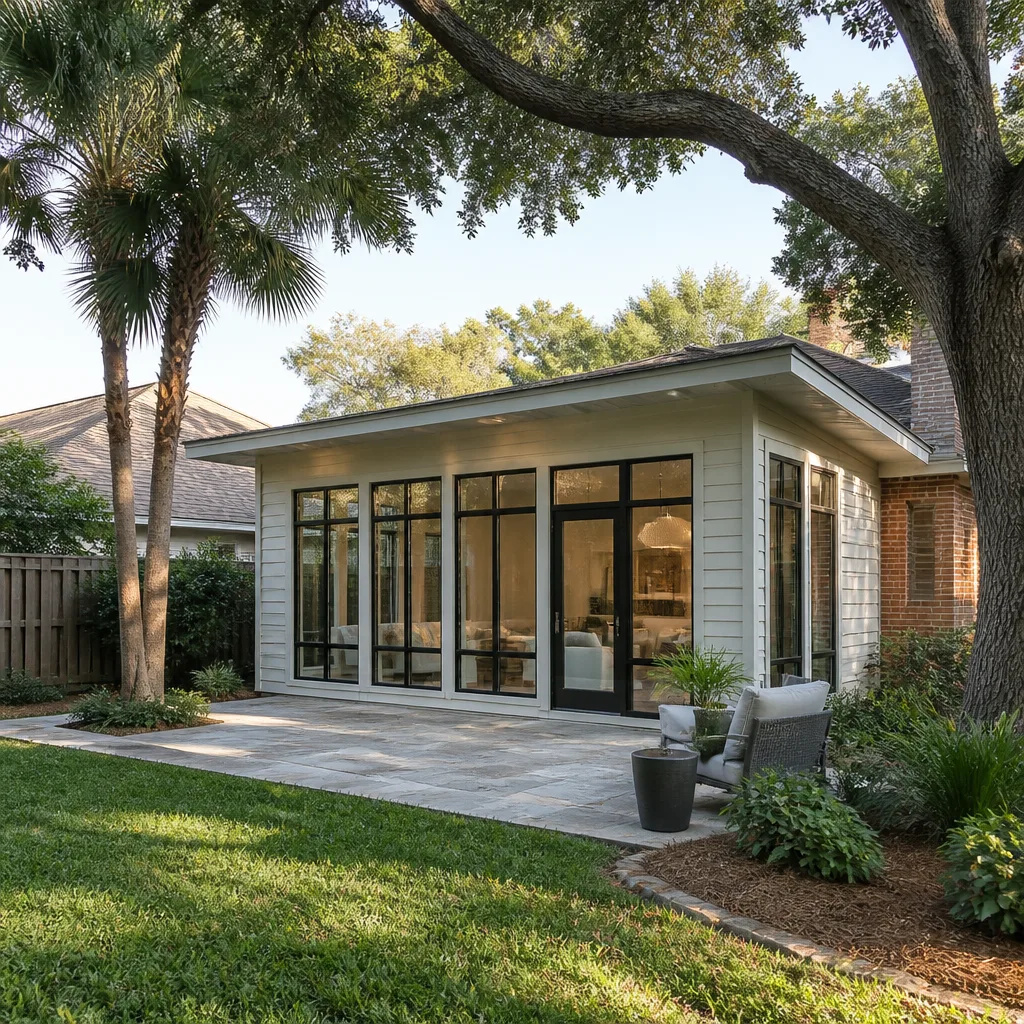
A properly tied-in CGI block addition lasts 50+ years structurally, but the real wear point in Miami is the sealant and flashing at the tie-in joint, which you should expect to service every 8 to 12 years. The block itself will outlast the roof over it. Call (850) 801-8046 and we’ll tell you what your specific tie-in needs.
Yes, most stair-step cracking in CGI block can be stabilized with epoxy injection and vertical rebar reinforcement, but only if the settlement has stopped. If the wall is still moving, repair is money wasted, and we’ll tell you that before we take the job. Call (850) 801-8046 for an assessment.
A ground-floor addition on CGI block runs 10 to 16 weeks from permitting to final inspection in Miami. An ADU runs 14 to 22 weeks because it’s a full build with separate utility connections. Weather and Miami-Dade permitting cycles are the two variables that push those numbers, and we build both into the timeline we give you up front. Call (850) 801-8046 for a schedule specific to your project.
We stock the anchor bolts, epoxies, Simpson brackets, and lintels for standard CGI block sizes on our trucks, and Hilti runs a Miami distribution point so special-order anchors land same-week, not same-month. That’s one of the advantages of working with a crew that does Miami block work every day. Call (850) 801-8046 and ask us about your specific tie-in needs.
Good work doesn’t need a sales pitch. If you’re comparing prices on a Miami addition or ADU, get our written number and compare it line by line against anyone else’s. Then decide. Call (850) 801-8046 for a free estimate on your CGI home addition or ADU project.
Written by Luca Romano, Owner & Lead Contractor, Sawyer Remodel Miami at Sawyer Remodel Miami, serving Miami and nearby areas.


