



Free written scope consultation - allowances, timeline, and change-order rules on paper before a single trade is scheduled
Mr-Glass Home Additions & ADU: The Miami Owner’s Guide
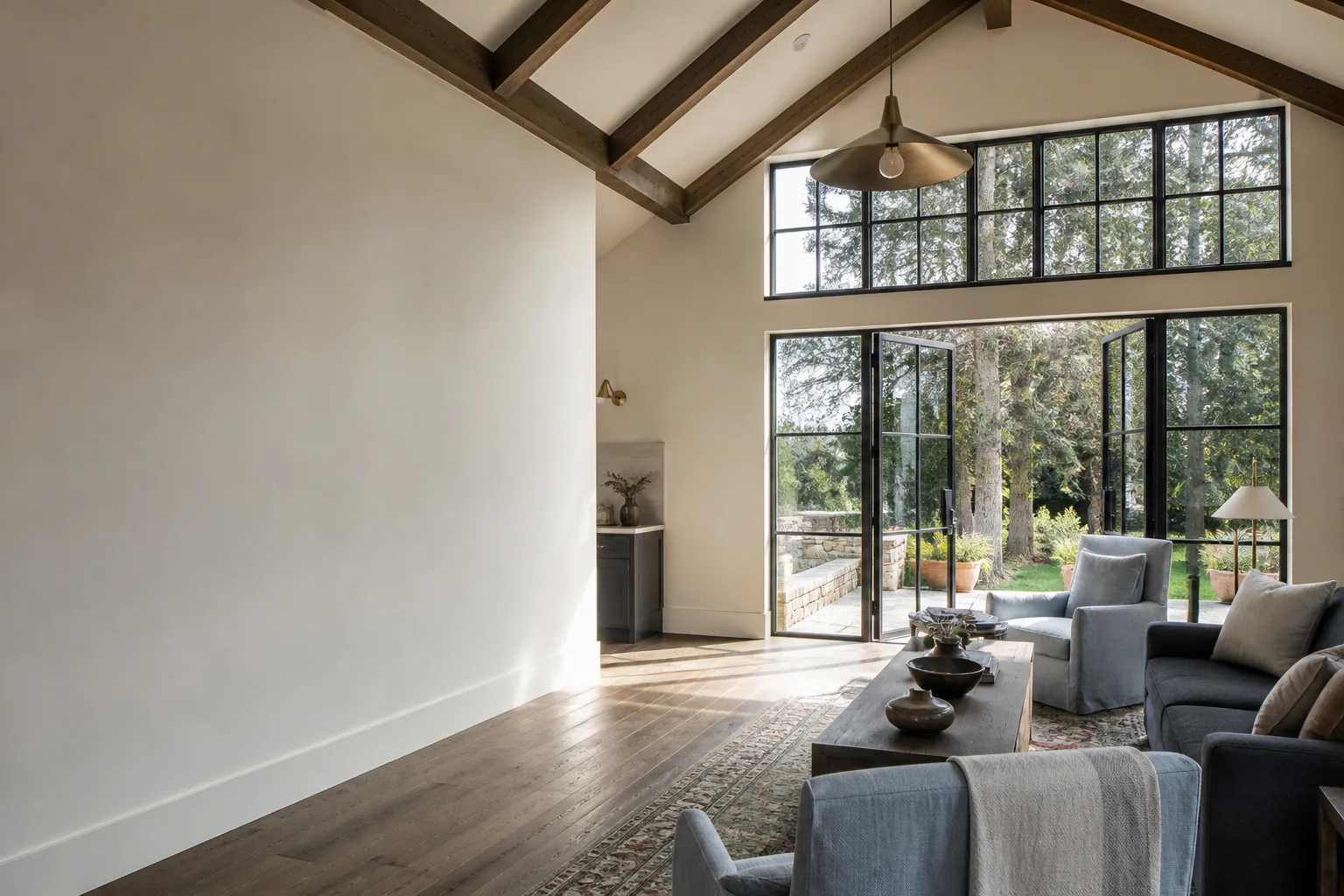
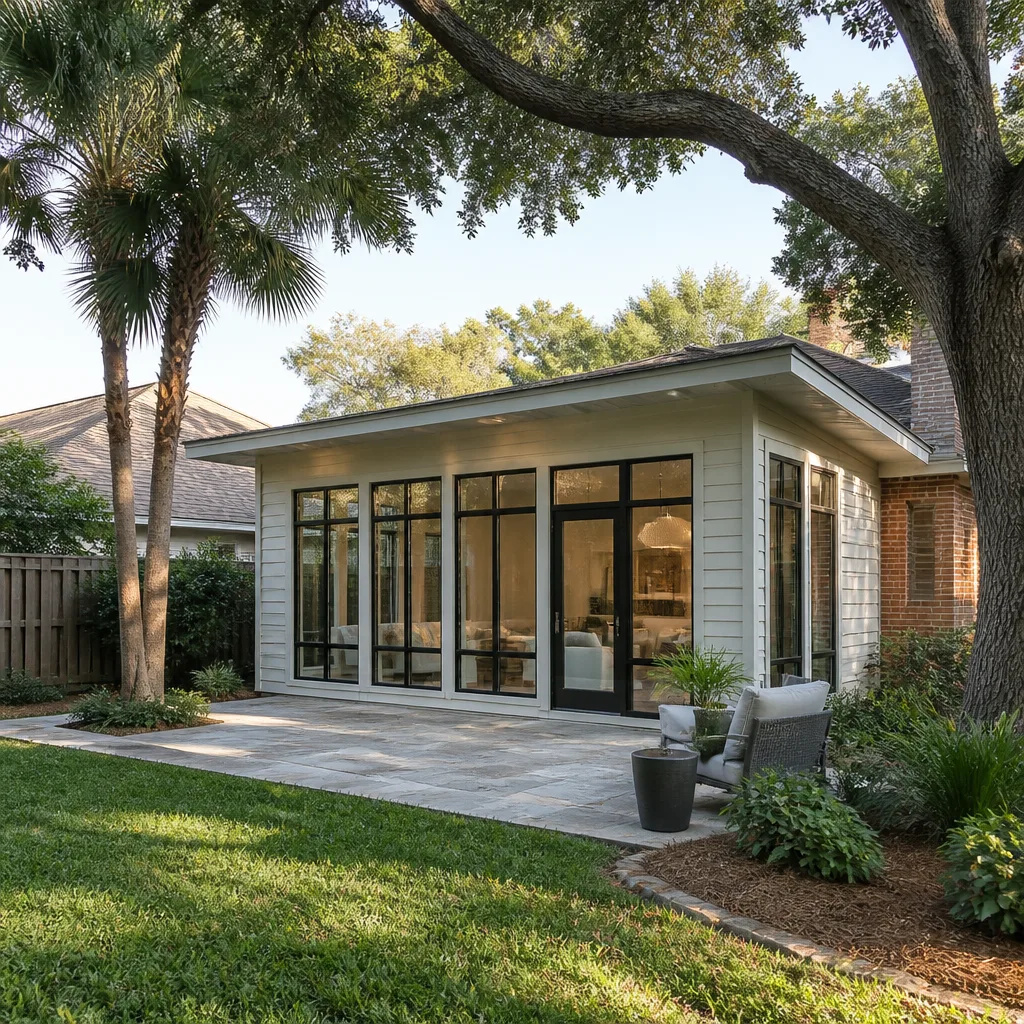
If you’re looking at a failed or failing Mr-Glass home addition or ADU component, here’s the straight answer: we stock and install Mr-Glass-compatible home addition and ADU parts across Miami, and a full home addition in this market typically runs $53,100 to $153,400 installed, while an ADU build lands between $106,200 and $259,600 depending on size, foundation work, and finish level. Most owners discover the problem the hard way: a beam that’s settled, a roofline that’s no longer true, or water showing up where it shouldn’t after a heavy Miami storm. The good news is that a failed part doesn’t always mean a failed structure. It means someone needs to look at it before it becomes one.
We’re an independent Miami contractor, not affiliated with Mr-Glass directly, but we’ve worked on enough of their systems to know what fails, what lasts, and what you should not try to fix from a ladder on a Saturday. Luca Romano and our crew have been running jobs across Miami for years, and this is the page we’d want to land on if it were our house.
Which Mr-Glass Models This Applies To
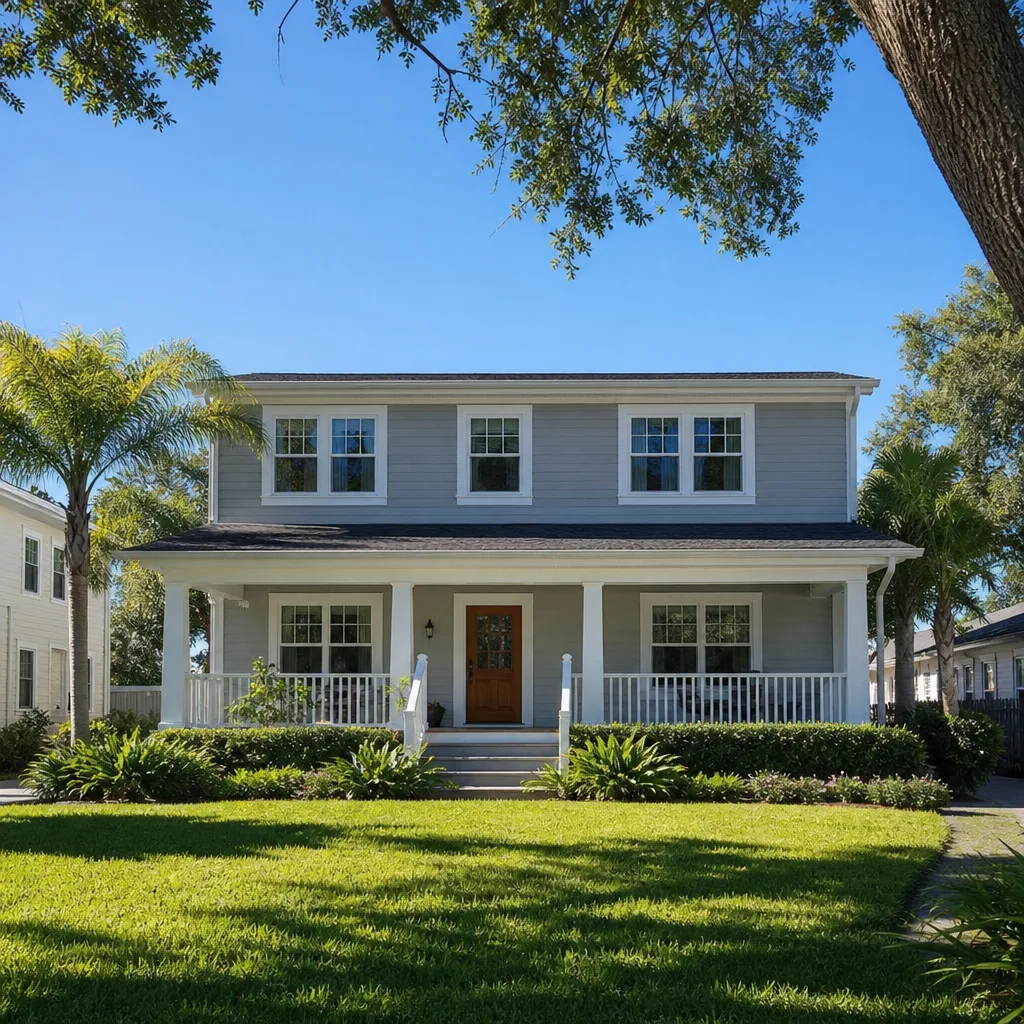
Mr-Glass home additions and ADUs come in a handful of configurations, and the part you need depends on which one you’ve got. The most common setups we see in Miami are the panelized addition kits, the prefab ADU shells, and the stick-built hybrid models where Mr-Glass supplied the glass and framing package but a local contractor did the finish work. Each one uses different connector plates, sill profiles, and load-path hardware, so the part number on the original invoice matters more than the model name on the brochure.
Here’s the compatibility gotcha we run into weekly: Mr-Glass’s older Miami shipments (pre-2019, roughly) used a 4-inch sill channel with anodized aluminum connectors, while the newer shipments switched to a 4.5-inch profile with a polymer thermal break. They look almost identical from six feet away. Measure the sill channel width before you order anything. If it’s 4 inches, you need the older connector series. If it’s 4.5, you need the current one. We keep both on the truck because guessing wrong means a return trip and a part that sits in the bed for a week.
On the OEM versus aftermarket question: for structural connectors, sill plates, and load-bearing hardware, we recommend OEM Mr-Glass parts. The tolerances matter and the warranty stays intact. For non-structural items like flashing, trim, and weatherstripping, a quality aftermarket equivalent usually does the job at about 60 to 70 percent of the cost, and we’ll tell you when that’s the right call.
Styles & brands we work with







Signs Your Mr-Glass Home Addition or ADU Is Failing
- Gaps between the glass panels and the sill. This usually means the sill channel has shifted or the connectors have worked loose. In Miami’s heat and humidity cycle, aluminum expands and contracts every day, and over five to seven years that movement can walk a connector right out of its seat.
- Water staining on interior drywall near the roofline. The flashing junction where the Mr-Glass roof meets the main structure is the number one failure point we see. It’s not the glass that leaks. It’s the transition. Once water gets behind the flashing, it travels, and the stain you see is never the whole story.
- A door or window that suddenly binds or won’t latch. That’s a settlement signal. The foundation has moved enough that the opening is no longer square. In Miami, where we build on sandy soil and deal with seasonal saturation, this is common. The part failure is often a hinge or roller, but the cause is underneath.
- Visible rust on connectors or hardware. Salt air from Biscayne Bay to the coast accelerates corrosion on anything uncoated. If you can see rust on the outside of a connector, the inside of that connection is worse. Miami’s salt exposure shortens hardware lifespan by roughly 30 to 40 percent compared to inland Florida.
- Cracking or popping sounds during temperature swings. Some noise is normal for any glass-heavy structure. But a sharp pop followed by a visible gap is a connector letting go. That’s not a weather thing. That’s a part that has failed and needs replacement before the load transfers somewhere it shouldn’t.
See the difference
 Before
 After
After Before
 After
After Before
 After
AfterReplacement Cost & What’s Included
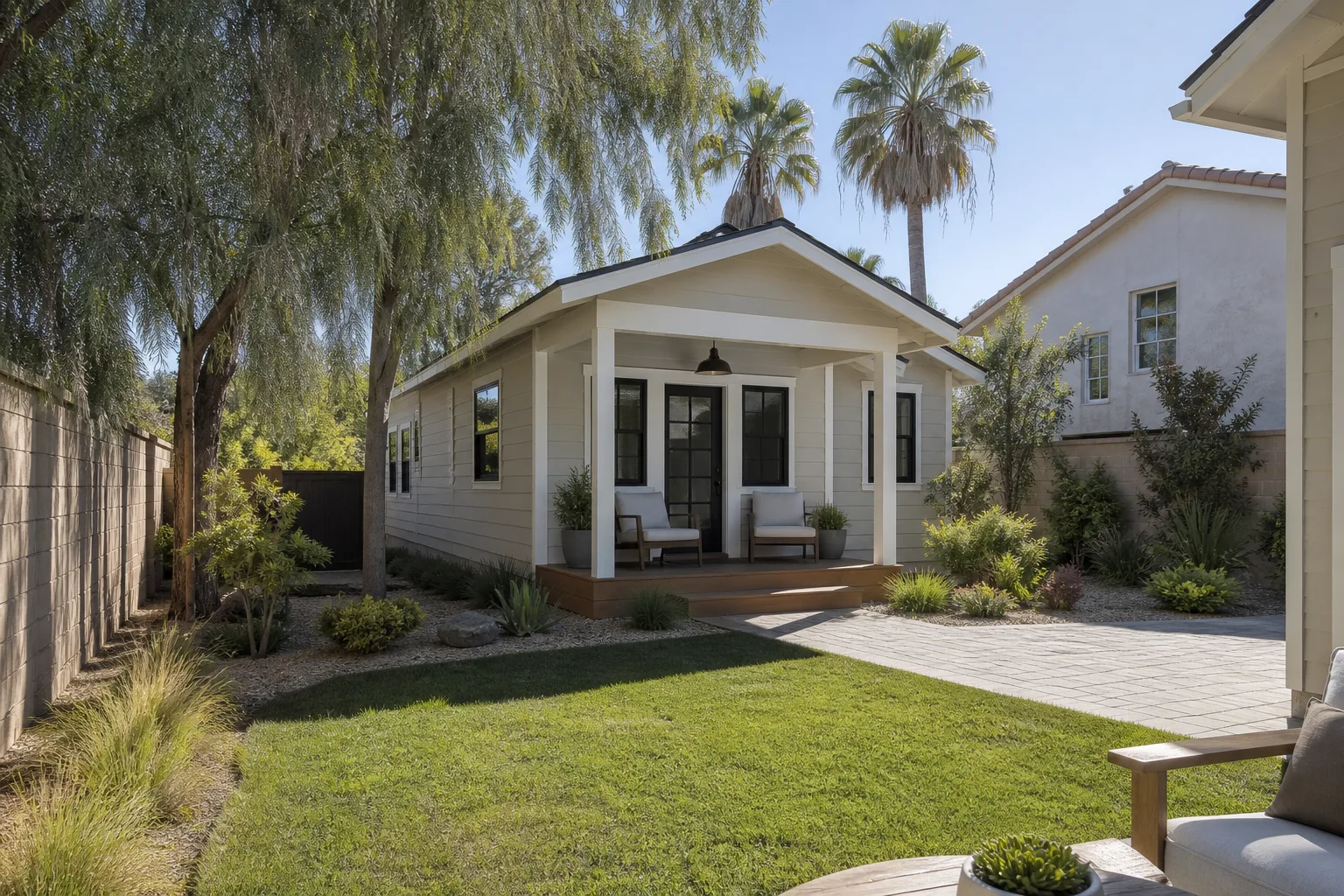
For Mr-Glass-specific parts replacement, you’re usually looking at $470 to $2,950 for the part and labor on most connector, sill, and flashing jobs. A full home addition or ADU rebuild is a different animal, and those numbers are the full-project ranges we gave you up top. What drives the cost on a part replacement is access: can we reach it from the ground, or do we need lifts and scaffolding? How long has the damage been going on, and what else did it take with it? We write every price before we start, so the number you approve is the number you pay. No change orders sneaking up on you. The work is covered by our 365-Day Done Right Promise: if it’s not done right, we make it right, in writing, for a full year.
Every job includes the same thing: a live arrival time so you’re not burning a day waiting, photo updates so you can see the part before and after, and a written price in your hands before a single tool comes off the truck. That’s The Relay Standard, and we don’t run a job without it.
DIY or Call Us?
Here’s the honest split. You can do a visual inspection: look for the gaps, the rust, the staining. Take photos. Measure the sill channel. That information helps us quote the job faster. What you should not do is start removing connectors or loosening bolts on a glass structure. Glass panels weigh hundreds of pounds. The load path in a Mr-Glass addition is engineered, and if you release the wrong connection, the panel can shift in a way you can’t stop with a hand. That’s not a scare tactic. That’s physics. We’ve seen a homeowner try to save money and end up with a cracked panel that cost more than the original repair.
If you’re not sure what you’re looking at, call us at (850) 801-8046 and describe what you see. We’ll tell you over the phone whether it’s urgent or whether you can take your time. Good work doesn’t need a sales pitch.
FAQs
Most structural connectors and sill hardware last 10 to 15 years in Miami’s salt air and humidity, but non-structural items like weatherstripping and flashing typically need attention every 5 to 7 years. Your specific part’s life depends on exposure, installation quality, and whether it was the pre-2019 or current connector series. Call (850) 801-8046 and we’ll give you an honest read on what to expect for your setup.
Sometimes. A bent sill channel can often be straightened and resecured. A corroded connector cannot, and we won’t repair a load-bearing part that’s lost structural integrity. We’ll always show you the part and explain why we’re recommending what we’re recommending before any work starts. Estimates are free, and the decision is yours.
Most single-part replacements on Mr-Glass systems take 2 to 4 hours once we’re on site. More involved jobs with multiple failed parts or access challenges can take a full day. We’ll give you a written timeline with your written price, and the live arrival time tracking means you know when we’re actually pulling up.
Yes. We carry the common Mr-Glass connector series, sill profiles, flashing, and weatherstripping for both the older and newer Miami-shipped configurations. If your part is rare or needs to be ordered, we’ll tell you that at the estimate stage and handle the procurement – you don’t have to chase suppliers. Call (850) 801-8046 for an exact quote.
Written by Luca Romano, Owner & Lead Contractor, Sawyer Remodel Miami at Sawyer Remodel Miami, serving Miami and nearby areas.


