
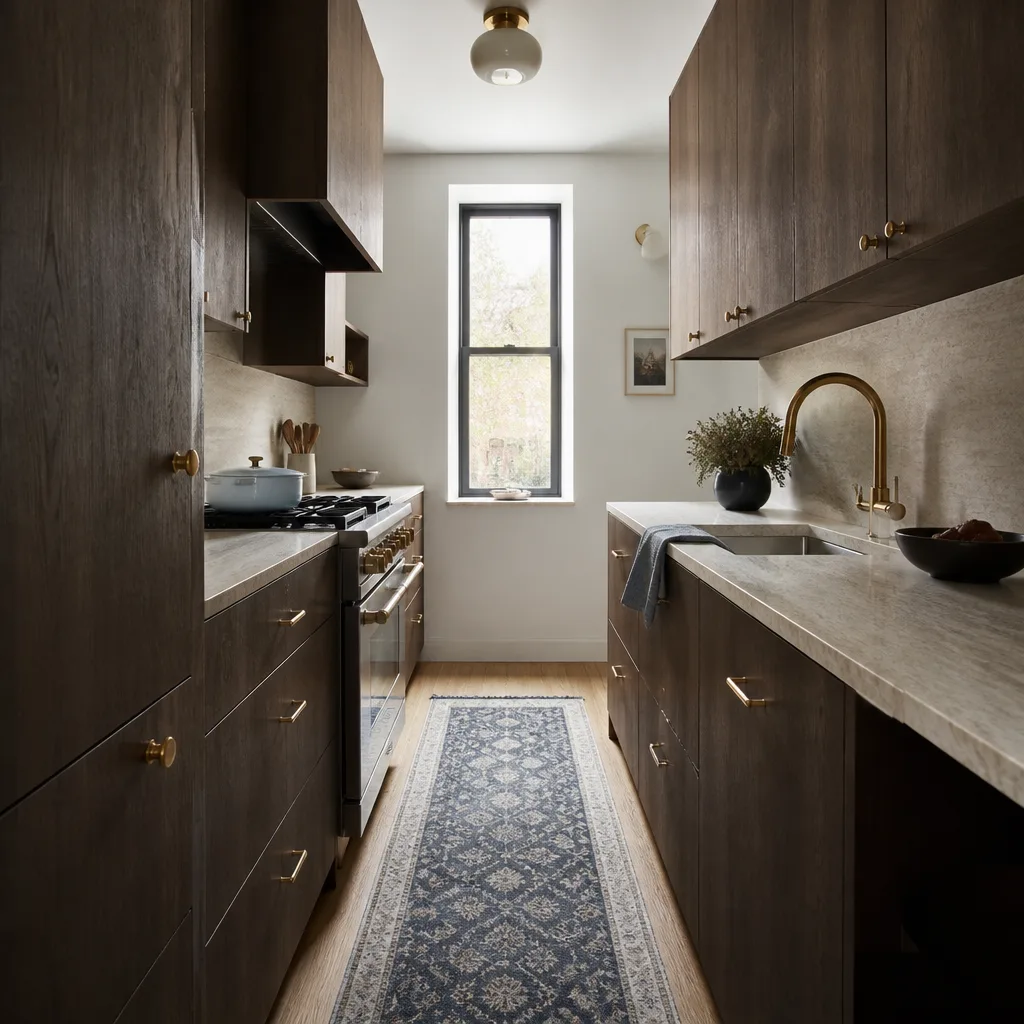
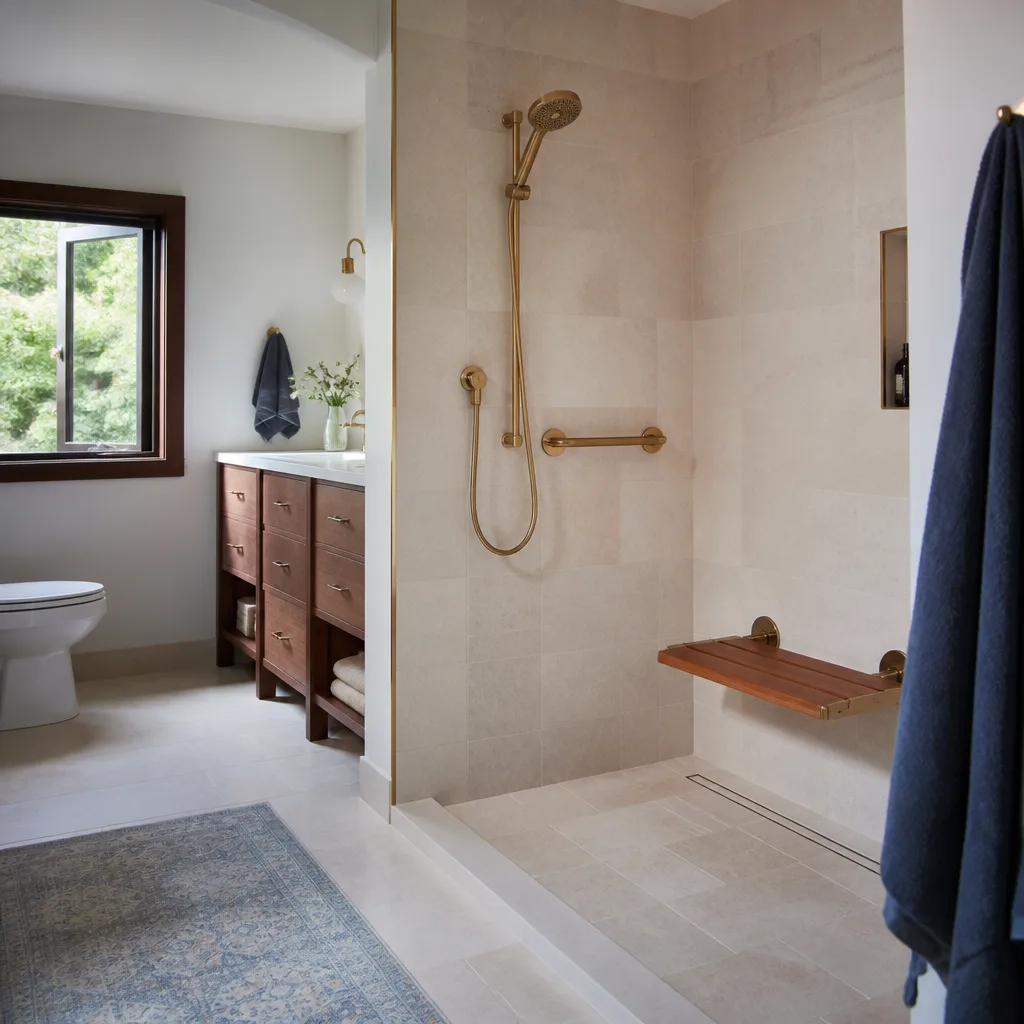
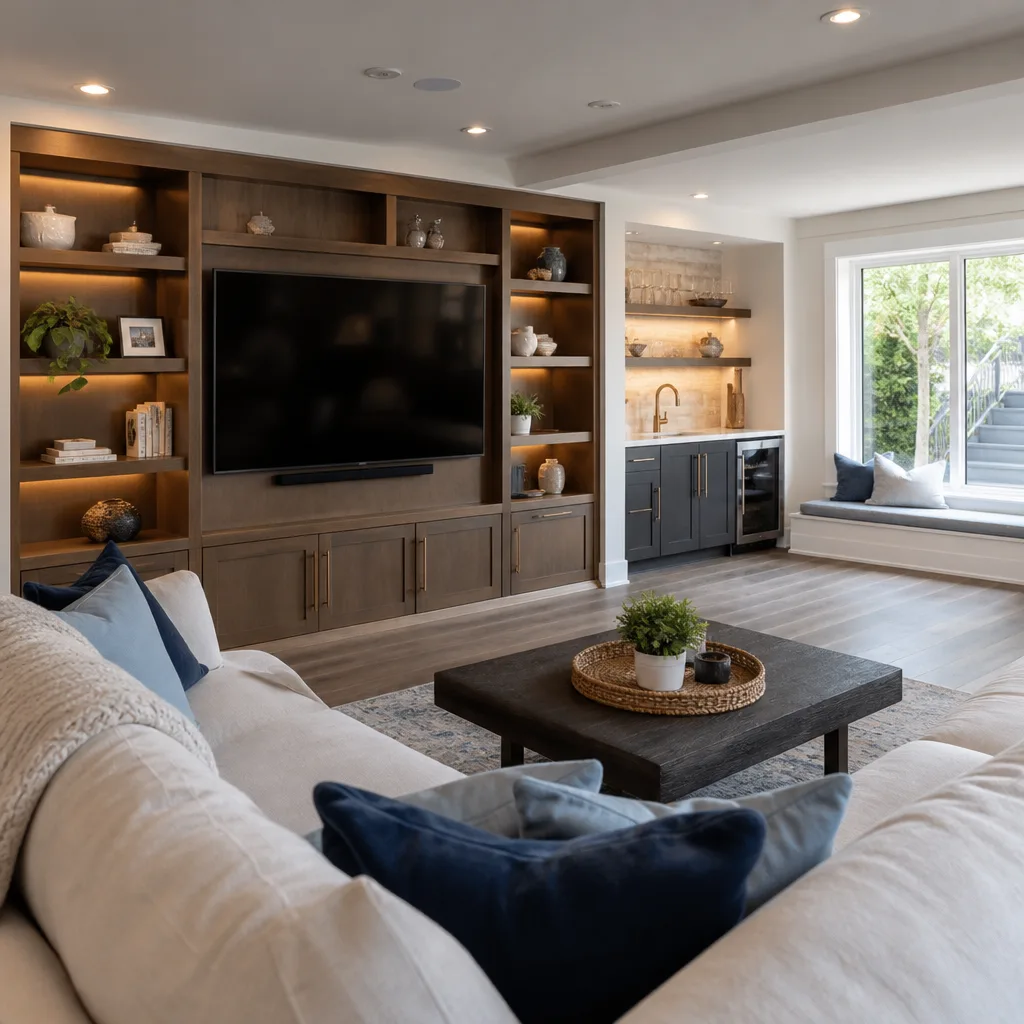
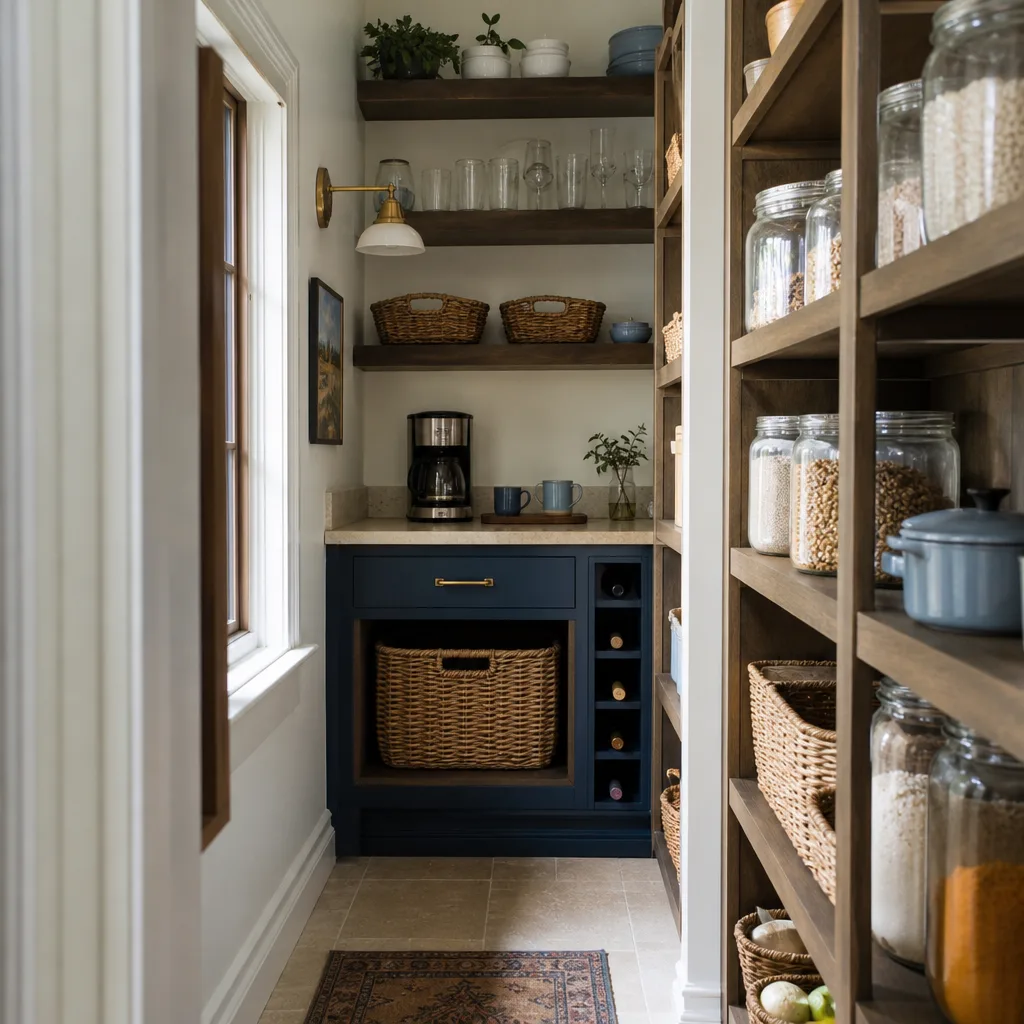
Free written scope consultation - allowances, timeline, and change-order rules on paper before a single trade is scheduled
Unilock Home Additions & ADU: The Miami Owner’s Guide
A Unilock home addition or ADU in Miami typically runs $53,100 to $153,400, depending on foundation work, permitting, and finish level. That’s the honest range we quote most often, and it includes everything from the slab pour to the final walkthrough. Most Miami homeowners reach out when they realize their current space isn’t working anymore: the kitchen’s too tight, a parent’s moving in, or the garage has become a storage graveyard that should be earning rental income instead.
The part that “fails” with additions isn’t a single component the way a spring fails on a garage door. It’s usually the existing structure’s ability to support the new load, or an older home’s foundation deciding it’s done settling evenly. We see it in neighborhoods like Shenandoah and The Roads, where homes built in the 1940s and 50s have slab settling that makes a clean tie-in trickier. That’s where real Unilock-compatible planning matters: you need a contractor who knows Miami’s soil, wind codes, and what those 70-year-old foundations will put up with.
Which Unilock Models This Applies To
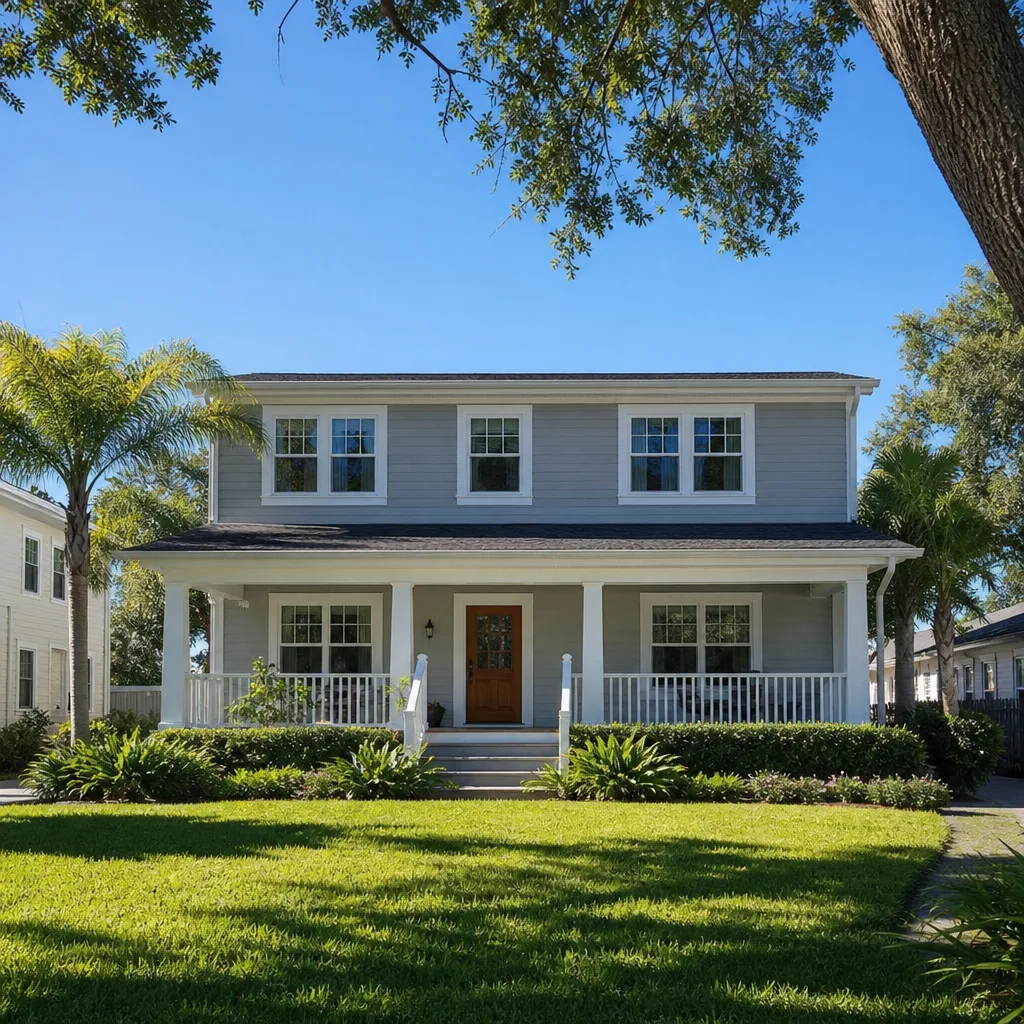
Unilock is primarily a paver and hardscape brand, so when we talk about Unilock in the context of home additions and ADUs in Miami, we’re talking about the hardscape integration: paver patios, walkways, driveways, and pool decks that tie the new structure to the existing property. The pavers themselves come in families like the Brussels Block, Richcliff, and Courtstone lines, each with different dimensions and thicknesses that affect how they perform under Florida’s heat and rain.
Here’s the compatibility gotcha most people don’t know: not every Unilock paver is rated for vehicular traffic. The thinner 60mm pavers work fine for patios and walkways, but if your ADU plan includes a paver driveway or a parking pad, you need the 80mm units or a reinforced base. Put a car on the wrong paver and you’ll have cracked units and shifting within two years. We’re an independent Miami contractor, not affiliated with Unilock, which means when we spec their products we’re doing it because it’s the right material, not because a corporate agreement says we have to.
When matching pavers for an addition, measure the existing paver’s dimensions and check the underside for the series stamp. Unilock changes dye lots over time, and a paver that looks close in the showroom can look obviously different next to ones that have been exposed to Miami sun for six years. We order full pallet quantities and blend them during install to avoid the patchwork look.
Styles & brands we work with







Signs Your Unilock Home Additions & ADU Is Failing
- Paver shifting or sinking at the tie-in point. The new foundation settles at a different rate than the existing slab, and the pavers bridging that seam are the first to move. You’ll see a visible lip or a paver that wobbles underfoot.
- Water pooling against the new structure. If gutters or grading weren’t addressed when the addition was planned, Miami’s afternoon downpours will push water against the foundation. Over time that means efflorescence on block walls, mold on drywall, and pavers that heave.
- Cracks running from a corner of the new addition. In Coral Gables and other older Miami neighborhoods, expansive clay soils expand and contract with the wet-dry cycle. A crack starting at a corner and running vertically usually means the footing isn’t deep enough for the soil conditions.
- Doors and windows that stick after the project is finished. Framing that wasn’t properly dried or a foundation that’s still settling will pinch openings. If you close a door and the gap at the top is wider than the bottom, something moved.
- Roof line not matching the original house. This is the one that drives Luca crazy. A clear visual break where the new roof meets the old suggests the contractor didn’t match pitch, fascia, or materials correctly. It’s not just ugly; it’s where wind-driven rain gets in during hurricane season.
See the difference
 Before
 After
After Before
 After
After Before
 After
AfterReplacement Cost & What’s Included
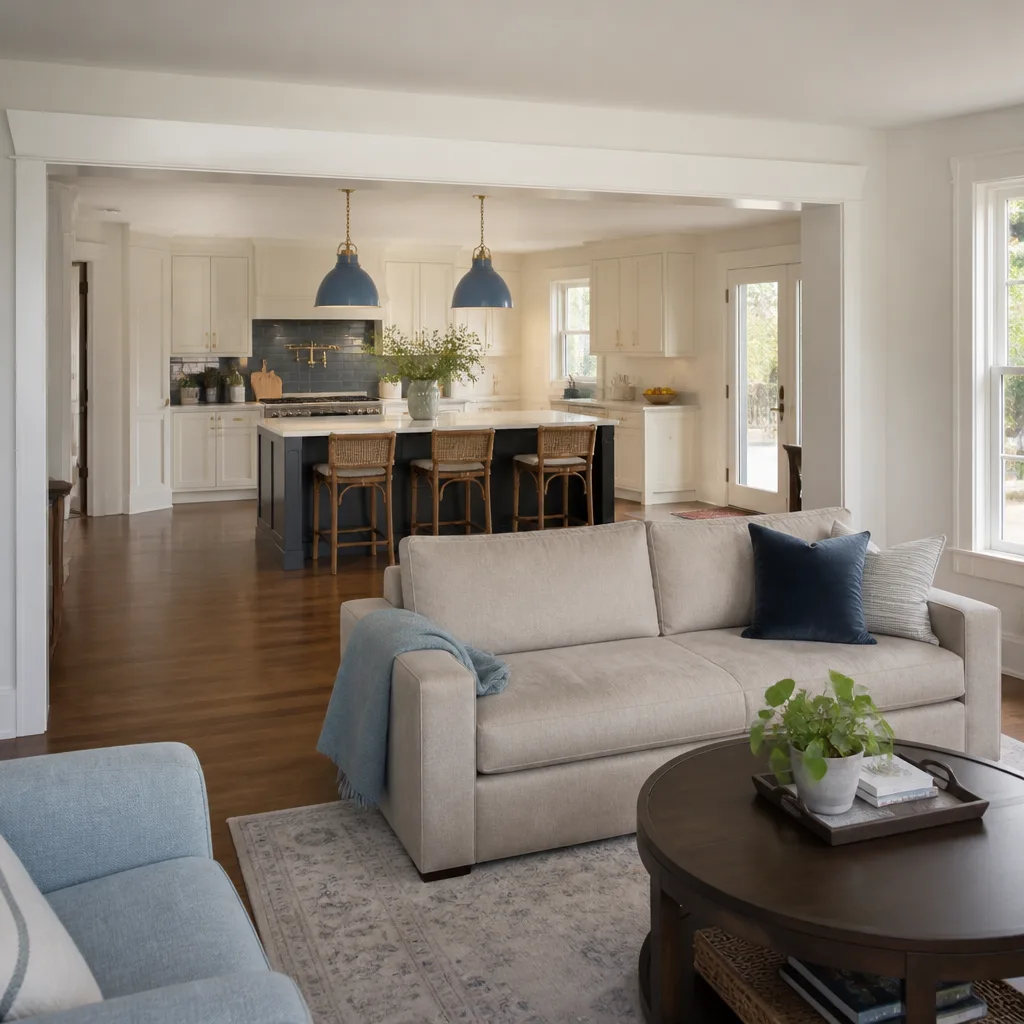
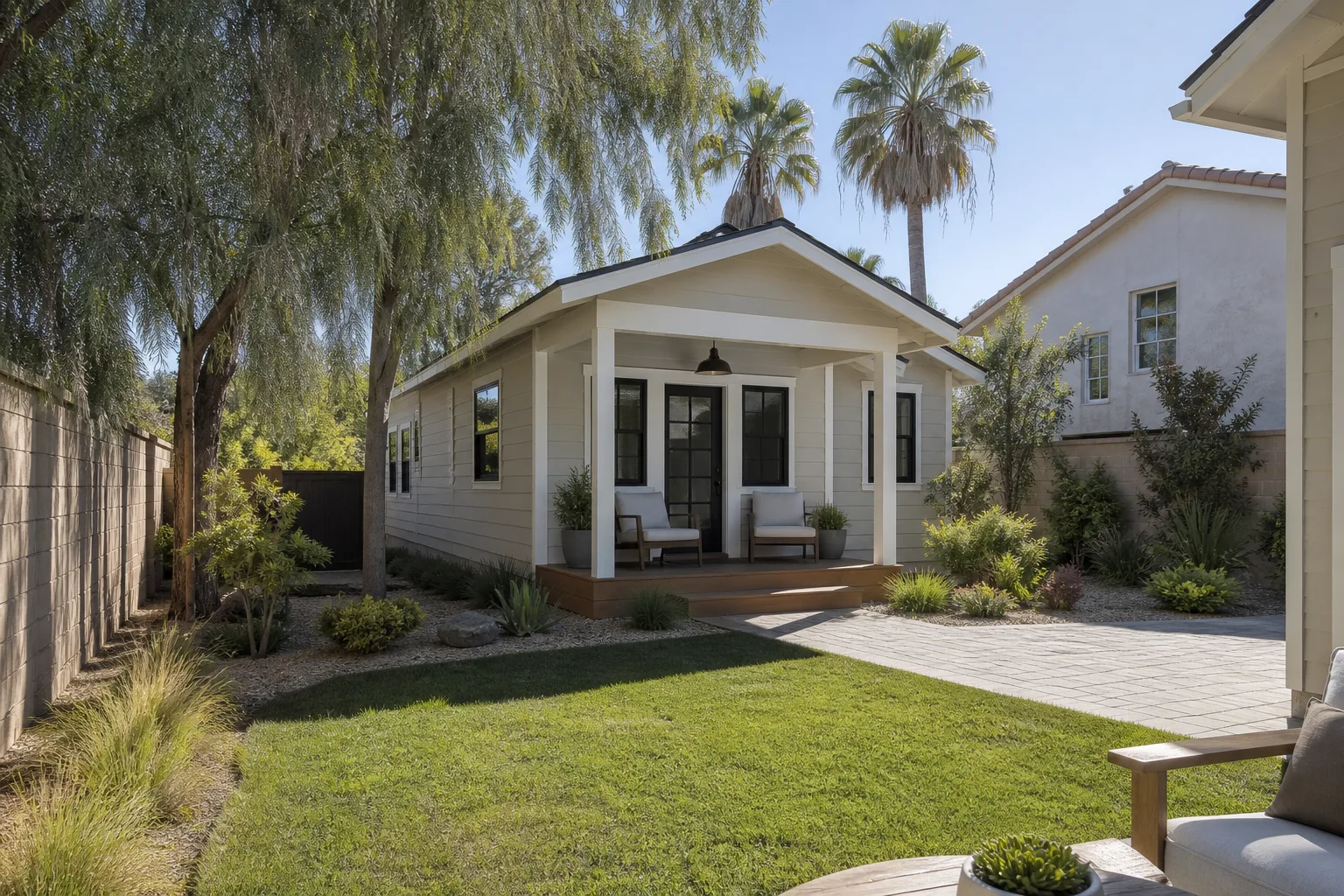
Home additions in Miami run $53,100 to $153,400, while a detached ADU construction runs $106,200 to $259,600. Garage conversions fall between $35,400 and $94,400. What drives the range: square footage, whether you’re building on a slab or needing pilings, kitchen or bath rough-ins, and the finish package you choose.
The process is straightforward. You get a written line-item quote before any work starts, and the number on that quote is the number on the final invoice. No change orders unless you ask us to add something. We pull permits, coordinate inspections, and handle the whole build. Here’s what’s included in every Unilock home addition or ADU project in Miami:
- Permit fees and all municipal paperwork. We handle it; you don’t chase the building department.
- Foundation work matched to Miami-Dade building code, including wind-load engineering where required.
- Framing, roofing, and exterior finish tied seamlessly into your existing structure.
- Electrical and plumbing rough-in plus fixture installation from brands like Kohler and Moen.
- Interior finish including drywall, paint, flooring, and trim.
- Hardscape integration using Unilock pavers where the new structure meets walkways, patios, or driveways.
Every project carries our 365-Day Done Right Promise: if it’s not done right, we make it right, in writing, for a full year. If something fails after we leave, our second visit to fix it is free. No argument, no fine print.
DIY or Call Us?
You can reasonably inspect your own property. Look for cracking pavers, water pooling after rain, or doors that bind. You can map out where you think an addition makes sense, and you can absolutely pull together a budget range before calling anyone.
What you shouldn’t do is attempt the actual build. A Miami addition involves structural engineering, wind-load calculations for hurricane codes, electrical work, plumbing, and roofing. That’s not a weekend project; it’s a liability. Luca’s been swinging hammers long enough to know exactly where a DIY job goes sideways, and it’s usually about three days in, right after the old framing gets opened up. By then you’ve got a hole in your house and no easy way to close it. Call us at (850) 801-8046. We’ll give you a straight answer and a written price before any work starts. Good work doesn’t need a sales pitch.
FAQs
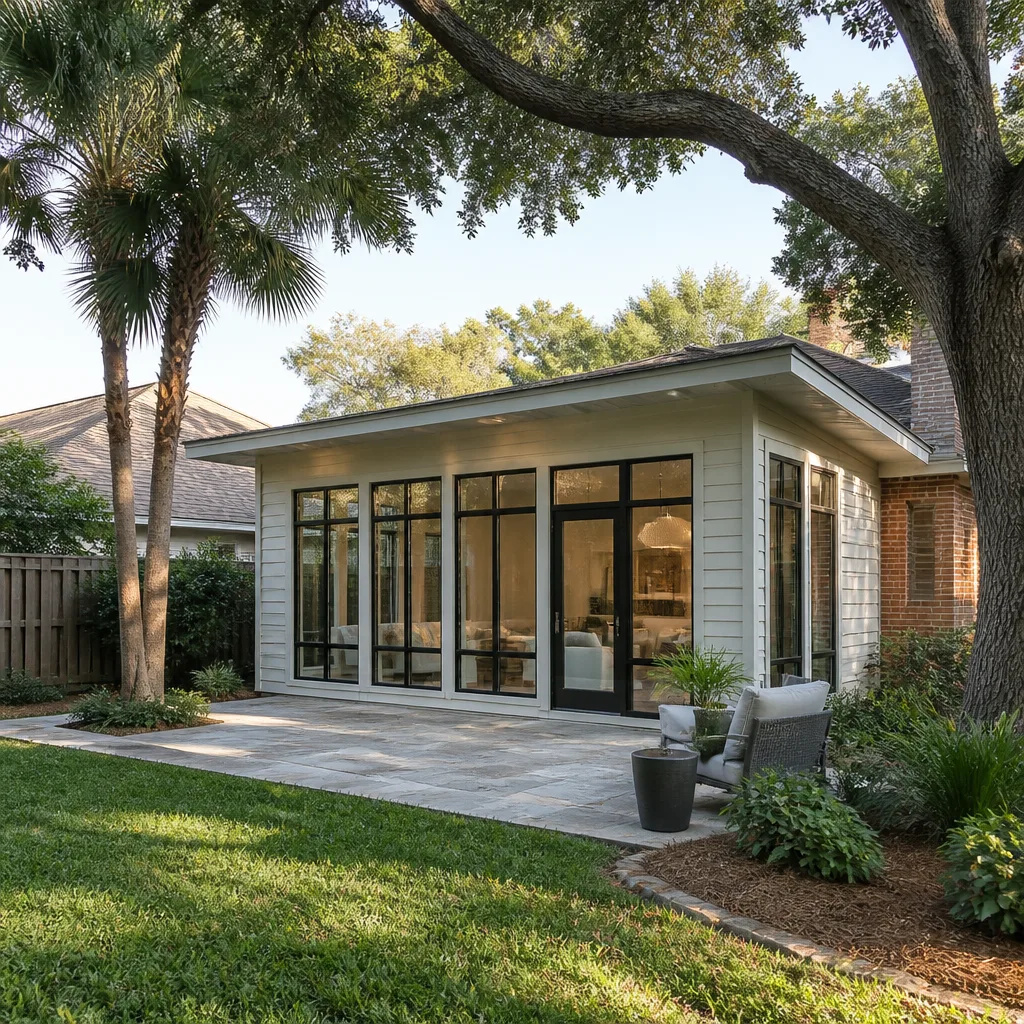
With proper foundation work and Miami-Dade-compliant construction, a home addition should last 50 to 80 years with normal maintenance, and we account for what the Florida climate throws at it. Humidity and salt air are hard on exterior materials, so we spec corrosion-resistant fasteners, proper vapor barriers, and pavers rated for our wet-dry cycling. Our 365-Day Done Right Promise covers the first year, but the work is built to outlast the mortgage. Call (850) 801-8046 and we’ll give you a realistic lifespan for your specific project.
Yes, many problems can be repaired without a full tear-down. Cracking pavers can be lifted and re-set on a corrected base, foundation settlement can be stabilized, and drainage can be improved with proper grading and gutter work. The question is whether the repair cost approaches the cost of doing it right. We’ll give you both numbers in writing and let you decide. Call (850) 801-8046 for an honest assessment.
Most home additions in Miami take 3 to 6 months from permit approval to final inspection, and an ADU typically takes 4 to 8 months. Permitting time varies depending on the municipality. In Coral Gables, plan review can add several weeks beyond what unincorporated Miami-Dade requires. We give you a schedule up front and keep you updated with photo progress. Call (850) 801-8046 and we’ll map out a timeline for your project.
We order Unilock pavers per project to match your existing dye lot as closely as possible, and we carry no leftover stock. Ordering by the project means you get consistent color and texture across the entire scope of work, not whatever was sitting in a yard for two years. We also work with KraftMaid, Cambria, and Silestone for the interior finishes that complete the addition. Call (850) 801-8046 and we’ll spec the full material list for your project.
Written by Luca Romano, Owner & Lead Contractor, Sawyer Remodel Miami at Sawyer Remodel Miami, serving Miami and nearby areas.


